
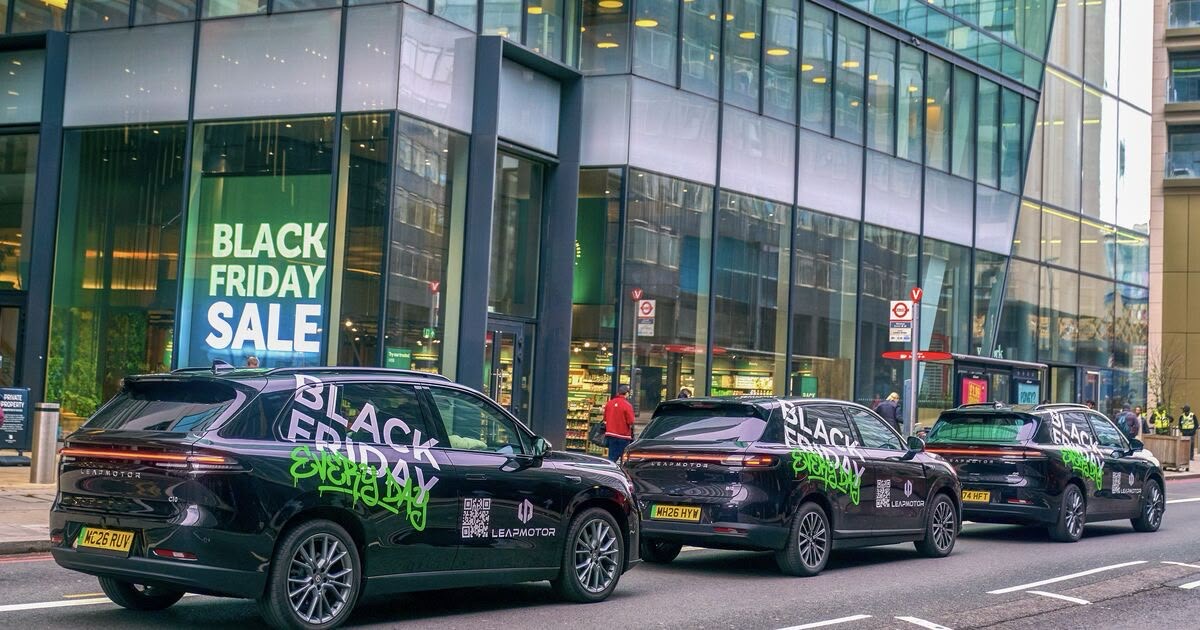
Black Friday started as an American after-Thanksgiving sale. It is now a worldwide shopping event, and 27 November 2026 is the biggest day of this year’s version.
Last year: a record, mostly online
In 2025, American shoppers spent a record $11.8 billion online on Black Friday, up 9.1% on 2024 (Adobe Analytics). More than half of that, $6.5 billion, came from phones. Worldwide, Salesforce put Black Friday online sales at $79 billion, up 6%, with the US accounting for $18 billion, up 3%. Shopify merchants alone generated $6.2 billion globally, up 25%.
AI also arrived at the checkout. Traffic to US retail sites from AI sources rose 805% year on year on Black Friday. The whole season held up too: Adobe measured US online holiday sales at $257.8 billion, up 6.8%.
This year: bigger numbers, but prices are part of the story
Adobe expects US online holiday spending to reach a record $275.1 billion, up 6.7%, with Black Friday bringing in $12.9 billion, up 9.2%. Cyber Monday should still be the biggest day, at $15.1 billion. Adobe also expects AI-referred traffic to retail sites to jump 95% on Black Friday.
The US trade body NRF forecasts holiday sales growth of 4.2% to $1.013 trillion, up from $972 billion in 2025. The catch is that nearly half of that growth comes from higher prices rather than more spending. NRF expects core goods inflation to average 2.5% in 2026, up from 1.6% in 2025. Mastercard’s forecast is 5.5% growth overall, with online up 11%.
The pressure is uneven. Higher food and fuel prices are expected to squeeze middle- and lower-income households, while wealthier households keep spending. Shoppers are also waiting for the best prices: 64% say they will do most of their holiday shopping over Thanksgiving weekend. Adobe expects discounts to build from 14% off in early November to 30% once Cyber Week arrives.
Around the world
United Kingdom. The mood is cautious. For 2025, forecasts were all over the map: PwC expected £6.4 billion and Barclays £10.2 billion. PwC also found interest in Black Friday had slipped to 46%, from 53% the year before. Even so, Black Friday was the busiest day of 2025 for transactions, up 62% on the daily average (Barclays). Overall, UK card spending fell 1.1% year on year in November 2025, the sharpest drop since February 2021. This autumn, Barclays saw card spending rise 2.3% in October 2026, but said consumer confidence worsened as household costs climbed. One survey-based forecast is gloomier: Omnisend predicts UK Black Friday and Cyber Monday spending will fall 32% to £9.9 billion. Treat that as a single, more pessimistic estimate.
Nigeria and Africa. Black Friday has been a fixture here since Jumia introduced it to Nigeria in 2014. In 2025 Jumia ran its “Do Pass Yourself” campaign from 31 October to 30 November. Its Nigeria chief said households are using digital retail to defend their purchasing power. The shopping pattern backs this up: Jumia saw more wishlist and add-to-cart activity without immediate checkout, a sign that shoppers were waiting for the deepest discounts and avoiding impulse buys. The old Nigerian complaint that prices get inflated before the sale has become something shoppers plan around. They watch, wait and compare.
The new Black Friday: a grocery run
Which brings us to the dinner table. Adobe expects online grocery spending this season to reach $26.1 billion, up 10.3%. Inflation has eaten so deep that our “chief economist”, Darryl (a skit maker by trade, so take his credentials as seriously as you like), now proposes putting food, and only food, on the deals table. No more doorbusters on TVs. The star of the season is rice, bread and cooking oil at 30% off.
It is a joke, but the data shows it landing close to home. When about half of a record sales forecast is just higher prices, a discount on dinner is worth more than one on a gadget.
So, how black was Black Friday?
Retailers are in the black, with record online totals and rising mobile and AI-assisted buying. Households are less clear-cut. Many are spending more to get the same basket, and the deal that matters most now may be the one on groceries.
For you: did the deals feel real this year, or did the prices just feel higher?
Figures for 2026 are forecasts; final results were not available at the time of writing. Sources: Adobe Analytics, Salesforce, Shopify, NRF, Mastercard, PwC UK, Barclays, Omnisend, Jumia.