… Governor, represented by Commissioner for Environment, Tokunbo Wahab says sustainability framework driving innovation, market creation, and resilient infrastructure
Babajide Fadoju
Lagos State Governor, Babajide Sanwo-Olu, has said the concept of a circular economy is guiding the state toward innovative approaches that reclaim value from waste and transform environmental challenges into economic opportunities.
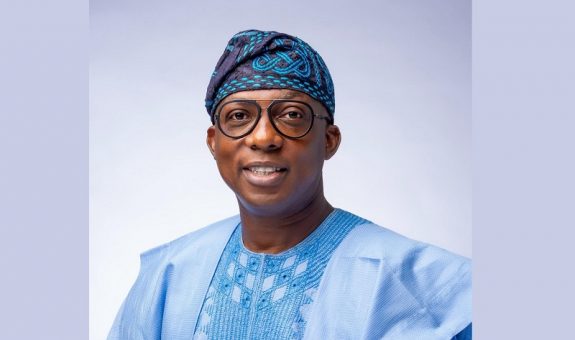
Speaking at the 2026 Nigeria Circular Economy Week themed “Turning Challenges into Markets,” held in Lagos, the governor said the administration is building systems designed to outlast its tenure while promoting sustainability and growth.
Represented by the Commissioner for the Environment and Water Resources, Tokunbo Wahab, Sanwo-Olu noted that the circular economy framework has enabled Lagos to keep materials in circulation and develop markets that convert environmental responsibility into viable economic ventures.
He said the theme of the event reflects the state’s position that sustainability is not a distant aspiration but a practical route to competitiveness, resilience, and inclusive development.
“Our journey has taught us a crucial lesson: circularity starts with good governance. Before we can reuse materials, we need functioning systems in place. Before new markets can develop, we must restore order. Before investments can flow, we need safe and predictable environments,” he said.
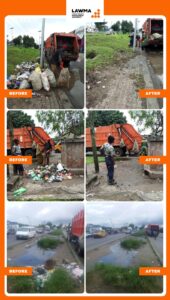
Sanwo-Olu highlighted measures taken by the state to restore order in urban areas, including the removal of illegal structures under bridges, clearing of blocked drainage channels, and reclaiming of public land deemed unsafe or environmentally vulnerable.
He explained that these interventions enhance public safety, reduce flood risks, and protect infrastructure, while also restoring economic value to previously degraded spaces.
“When we clear drainage channels, we extend the life of roads and public works. When encroachments are removed, we restore natural water flows and lower flood risks,” he added.
The governor said reclaimed under-bridge spaces are being repurposed for organised public use such as transport hubs, markets, green spaces, and community facilities. He noted that environmental enforcement aligns with circular economy principles by returning productivity to neglected areas.
According to him, the next phase is converting enforcement gains into economic opportunities. He said demolition and clearance operations generate recoverable materials such as metals, timber, and plastics, while reclaimed areas can serve as hubs for recycling, repair services, and green enterprises.
Sanwo-Olu also stressed that flood-resilient infrastructure protects public investments by reducing material losses and replacement costs. He added that integrating informal waste workers into structured recovery systems would improve livelihoods and strengthen supply chains.
Wahab said the state plans to consolidate progress by strengthening regulatory clarity to support Extended Producer Responsibility frameworks, expanding recycling infrastructure through public-private partnerships, supporting small and medium-sized enterprises that transform waste into marketable products, and aligning public procurement with sustainable materials.
He added that Lagos is inviting investors to support scalable circular enterprises and urged manufacturers to design products with reuse and recyclability in mind. He also called on researchers to translate innovations into commercial production and appealed to development partners to continue supporting sustainability-driven growth.
The Netherlands Ambassador, Bengt van Loosdrecht, said the Nigeria Circular Economy Programme—commissioned by the African Development Bank and supported by the Dutch government—aims to integrate circular principles into national policies across sectors such as agriculture, energy, waste management, and industrial processes.
He noted that the programme, launched by the Federal Ministry of Environment in 2024, identified Lagos as a pilot state for circularity. According to him, the Netherlands will continue partnering with Nigeria to scale holistic and sustainable solutions to address climate change, biodiversity loss, and pollution.