
Musibau Semiu Ademola
Public discourse plays an important role in democracy, especially when citizens and activists hold governments accountable. You, Omoyele Sowore criticizing the plan by the Lagos State Government to reintroduce an environmental sanitation curfew aimed at cleaning drainage systems and addressing environmental degradation across Lagos. His argument frames the policy as a sign of “intellectually bankrupt leadership” and suggests that such measures could lead to harassment or economic disruption.
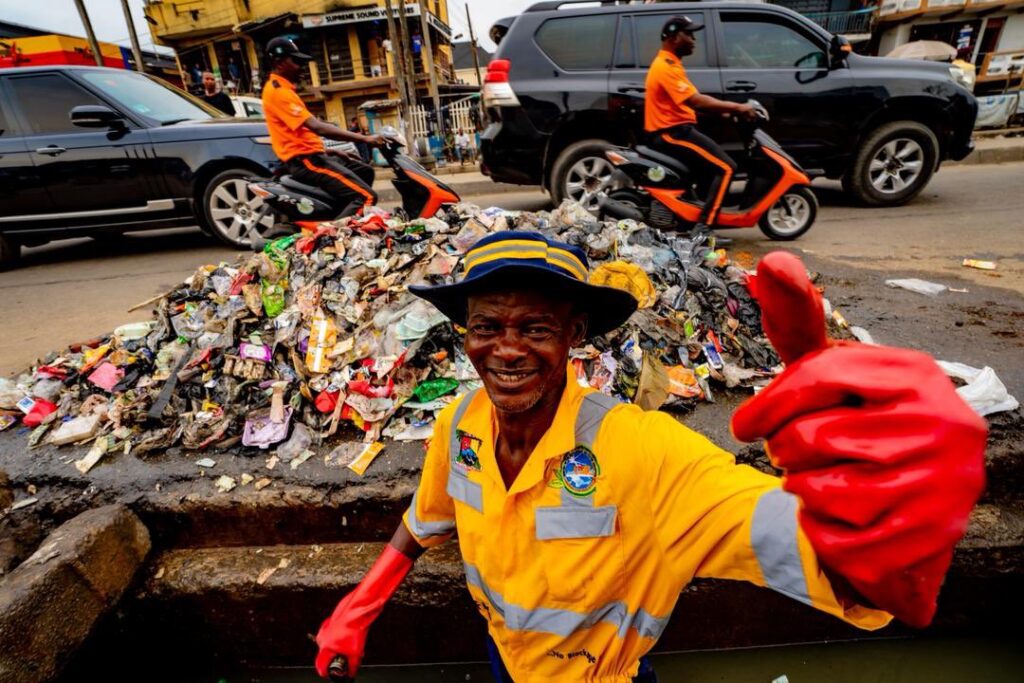
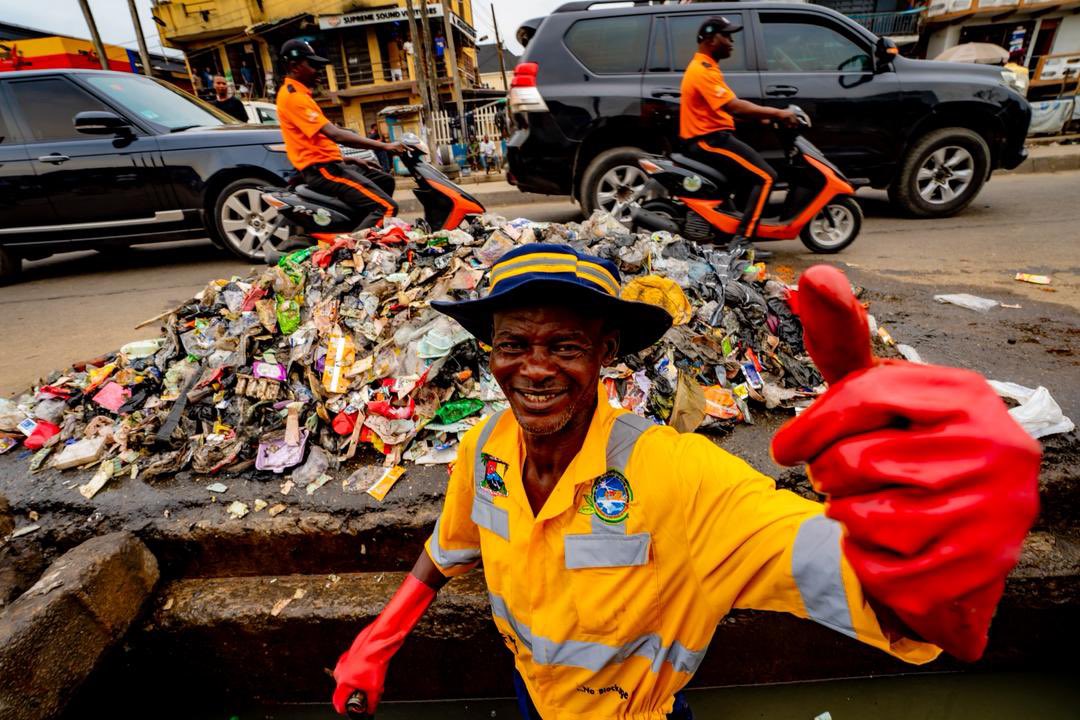
While criticism is an essential component of democracy, it is equally important to recognize that not every government policy is designed to suppress citizens. Some policies exist primarily to protect public health, preserve the environment, and ensure sustainable urban living. The environmental sanitation initiative in Lagos should be viewed within this broader context.
Lagos is one of the fastest-growing megacities in Africa. With a population estimated at over 20 million people, the city faces immense pressure on its infrastructure, waste management systems, and drainage networks. Poor waste disposal practices, blocked drainage channels, and indiscriminate dumping of refuse have repeatedly contributed to flooding, pollution, and environmental hazards across many communities.
Environmental sanitation exercises are, therefore, not merely symbolic activities; they are practical interventions designed to address these pressing urban challenges. Clearing drainage systems helps reduce flooding during the rainy season, prevents waterborne diseases, and protects residential and commercial areas from environmental damage.
A clean environment is directly linked to public health. Blocked drainage and accumulated waste often become breeding grounds for mosquitoes and bacteria that spread diseases such as malaria, cholera, and typhoid. Environmental sanitation exercises encourage community participation in maintaining clean surroundings while allowing authorities to carry out large-scale cleaning operations that individuals alone cannot achieve.
Rather than viewing the sanitation exercise as a curfew imposed for control, it can also be seen as a coordinated civic effort to protect the well-being of millions of Lagos residents.
Contrary to the claim that sanitation policies harm the economy, a cleaner environment actually strengthens economic productivity. Flooded roads, waste-filled streets, and unhealthy living conditions discourage investment, disrupt business activities, and reduce the quality of life in urban areas.
A safe and hygienic environment enhances tourism, supports local businesses, and improves the daily lives of residents. When cities maintain high environmental standards, they become more attractive to investors and visitors alike.
Governance is not only about the actions of the state; it also involves the responsibilities of citizens. Environmental degradation in Lagos is not caused solely by government inaction but also by widespread disregard for proper waste disposal practices. Environmental sanitation exercises remind residents that maintaining a clean environment is a shared duty.
Encouraging citizens to take responsibility for their surroundings fosters civic discipline and community awareness—values that are essential for the development of any modern city.
Public figures such as Sowore have every right to question government policies. However, criticism should also acknowledge the broader societal benefits of initiatives that aim to improve public welfare. Instead of dismissing sanitation measures outright, a more constructive approach would be to advocate for transparency, proper implementation, and respect for citizens’ rights during such exercises.
Environmental sanitation, when properly implemented, is not a tool for oppression but a strategy for urban survival in a densely populated city like Lagos.
The debate surrounding the sanitation policy reflects the broader challenge of balancing governance, public accountability, and collective responsibility. A clean and safe environment is not a luxury it is a fundamental necessity for public health, economic stability, and sustainable development.
Rather than discouraging policies aimed at protecting the environment, citizens and leaders alike should support and improve them. In a city as dynamic and complex as Lagos, environmental responsibility must remain a shared commitment between the government and the people.