by Babatunde Adeleke
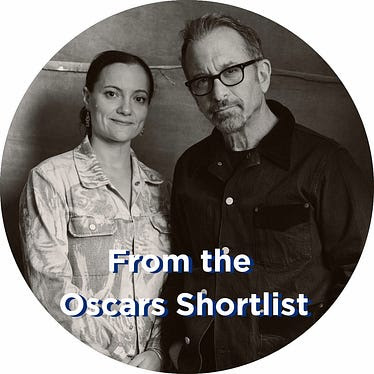
As Oscar nominations draw near, a new podcast episode of Pure Nonfiction delves into the making of “The Alabama Solution,” a documentary exposing deep-rooted abuse and corruption in Alabama’s prison system. Co-directors Andrew Jarecki and Charlotte Kaufman shared insights into their film, which uses smuggled footage from inside the state’s prisons to reveal systemic issues.
Jarecki highlighted the film’s impact on public awareness. He noted that even Alabama residents often remain unaware of the conditions due to secrecy. The documentary presents video evidence of brutality and corruption, including drug dealing by law enforcement officers within the prisons. Jarecki described the Alabama Department of Corrections as the state’s largest law enforcement agency and its most significant drug operation. He emphasized how the film breaks the silence, encouraging families and communities to speak out against these injustices.
Kaufman discussed the challenges of prison journalism. She explained that traditional reporting requires state permission, limiting true investigative freedom. Supreme Court rulings restrict access to incarcerated individuals without oversight. By using contraband cell phones, the filmmakers bypassed these barriers, creating what Kaufman calls one of the first examples of unmediated prison storytelling. This approach allowed them to capture authentic experiences without state interference.
The film has sparked action on the ground. Inmates across 14 prisons have viewed it through illicit means, fostering unity among prisoners and their families. This has led to increased attendance at legislative sessions, where advocates demand reform. Jarecki expressed optimism about the growing movement, aiming to support those pushing for change.
“The Alabama Solution” stands out among the 15 documentaries shortlisted for the Oscars, offering a raw look at incarceration in America. The podcast episode, hosted by Thom Powers, was recorded for an online edition of Documentary Spotlight, co-presented by The Ankler.
Surviving Assassins in the Rainforest: The Story of Juma Xipaia in “Yanuni”
In the latest episode of Pure Nonfiction, director Richard Ladkani discussed his Oscar-shortlisted documentary “Yanuni,” which follows indigenous leader Juma Xipaia in her battle to protect the Amazon from destruction. Ladkani’s conversation, part of a series on shortlisted films, reveals the personal risks and collaborative approach behind the project.
Ladkani met Xipaia after she survived a sixth assassination attempt. Initially in hiding, she was reluctant to engage with media. Ladkani proposed the film as a protective tool, arguing that global visibility would make her a harder target for attackers. By raising her profile, the documentary could draw international scrutiny and outrage if harm came to her.
To build trust, Ladkani gave Xipaia significant control over the narrative. Recognizing her storytelling skills, he invited her to co-produce the film. This ensured her voice shaped the story, from public speeches to intimate moments. Security remained a priority, with Ladkani embedding himself in her life to minimize risks.
A key challenge was communication. Xipaia distrusted translators, prompting Ladkani to learn Portuguese over six months. This allowed direct interaction without intermediaries, deepening the film’s authenticity.
“Yanuni” highlights Xipaia’s courage amid mortal dangers, including threats from those exploiting the Amazon. As one of four films featured in the podcast hosted by Thom Powers, it puts on full display, the environmental and human rights crises in Brazil.
Defying Putin’s Crackdown: Young Journalists’ Struggle in Moscow Spotlighted
Pure Nonfiction’s recent episode features director Julia Loktev discussing her Oscar-shortlisted film “My Undesirable Friends: Part I – Last Air in Moscow.” The documentary follows young journalists facing persecution during Russia’s authoritarian crackdown, offering a glimpse into their daily struggles.
Loktev described her focus during filming, especially in the early days of the full-scale invasion. She prioritized protecting footage and equipment, viewing her role as capturing history. Without press accreditation, she avoided high-risk areas like protests, relying on her subjects to film those scenes instead.
The greatest threats emerged in the journalists’ workplaces. Loktev witnessed their fear of searches and detentions, yet they continued reporting. This resilience inspired her to keep filming, emphasizing ethical persistence over immediate success.
The film portrays the journalists’ determination to do the right thing amid oppression. Loktev’s approach highlights their ongoing work, even without guaranteed outcomes.
As part of a podcast series on Oscar-shortlisted documentaries, Loktev’s interview was hosted by Thom Powers for an online Documentary Spotlight event, co-presented by The Ankler. The episode arrives as Academy members prepare for nomination voting.
Behind the Lens – Four Documentaries Challenging Global Injustices
In a world grappling with hidden injustices, four Oscar-shortlisted documentaries are shining a light on overlooked struggles, from American prisons to the Iranian countryside. The latest Pure Nonfiction podcast, hosted by Thom Powers, brings together the filmmakers for in-depth conversations recorded for Documentary Spotlight, co-presented by The Ankler. As Oscar nomination voting approaches, these films not only vie for awards but also ignite real-world change. Each one tackles pressing issues with raw authenticity, drawing from personal risks, innovative storytelling, and a commitment to amplifying marginalized voices. Through smuggled footage, embedded reporting, and intimate portraits, these directors reveal systemic failures and individual triumphs, urging audiences to confront uncomfortable truths.
Starting with “The Alabama Solution,” co-directors Andrew Jarecki and Charlotte Kaufman pull back the curtain on Alabama’s prison system. Using footage smuggled via contraband cell phones, the film uncovers brutality, corruption, and drug trafficking by officials. Jarecki points to a groundswell of support, with inmates and families mobilizing for reform. He explained how the Alabama Department of Corrections operates as both the largest law enforcement agency and a major drug-dealing network in the state. This revelation has shattered the secrecy that keeps residents in the dark, fostering a sense of shared outrage. Kaufman stresses the breakthrough in unfiltered journalism, bypassing state controls that have long censored prison stories. Supreme Court rulings have historically limited access, making traditional reporting mediated by authorities. By circumventing these barriers, the film presents unvarnished truths, showing daily horrors like violence and exploitation. This exposure has led to packed legislative sessions, signaling a shift in public tolerance for systemic abuse. Beyond the screen, the documentary has united prisoners across 14 facilities, who view it on illicit devices, and empowered families to advocate louder for change.
Shifting to the Amazon, Richard Ladkani’s “Yanuni” centers on indigenous leader Juma Xipaia, who has dodged multiple assassination attempts while defending her homeland. Ladkani’s commitment went beyond direction; he learned Portuguese to earn her trust and made her a producer to empower her narrative. The film transforms Xipaia into a global figure, using visibility as a shield against threats. It captures her mesmerizing storytelling, turning personal peril into a call for environmental protection. Ladkani recounted meeting her after her sixth survival of an attack, when she was in hiding and wary of outsiders. His proposition framed the film as a survival tool, arguing that international fame would deter assassins through media scrutiny. By granting her control, including producer credits, Ladkani ensured the story reflected her perspective, from rallying communities to confronting loggers and miners. The documentary highlights the broader crisis in Brazil, where indigenous defenders face deadly opposition from industries ravaging the rainforest. Xipaia’s journey illustrates resilience amid environmental destruction, inspiring viewers to support conservation efforts and indigenous rights.
In Russia, Julia Loktev’s “My Undesirable Friends: Part I – Last Air in Moscow” documents young journalists navigating censorship and danger. Filming during the invasion’s onset, Loktev focused on safeguarding her work while her subjects risked everything in their offices. The story celebrates their ethical grit, proving that persistence matters more than victory in the face of authoritarianism. Loktev described the acute awareness of risks, prioritizing footage protection over personal safety. Without accreditation, she avoided protests, letting her characters capture those scenes. The film’s power lies in everyday perils, like office searches that could end careers or lives. It portrays a group bonded by shared ideals, continuing to report despite crackdowns. This narrative underscores the erosion of press freedom in Russia, where independent voices are labeled “undesirable.” Loktev’s admiration shines through in her emphasis on process over outcomes, showing how these journalists uphold integrity in a repressive regime. The documentary serves as a testament to the human cost of authoritarianism, encouraging global solidarity with persecuted media workers.
Finally, “Cutting Through Rocks,” co-directed by Sara Khaki and Mohammadreza Eyni, follows midwife Sara Shahverdi in a remote Iranian village. As the only female motorcyclist there, she defies norms to deliver babies and advocate for women’s rights. Khaki, drawing from her Iranian roots, partnered with Eyni to capture Shahverdi’s election to a council seat and her subsequent reforms, like teaching girls to ride motorcycles and halting child marriages. The filmmakers learned firsthand how change spreads, even in conservative settings. Khaki shared her background, growing up in Tehran and witnessing women’s struggles for independence. This inspired her to explore stories of those who stay and fight within their communities. After months of research and conversations, they documented Shahverdi’s journey from midwife to elected leader, delivering over 400 babies while challenging traditions. Eyni highlighted the film’s role as a masterclass in power dynamics, observing community reactions to a woman in authority. Shahverdi’s actions, such as pushing for land rights and education, demonstrate contagious empowerment. The documentary reveals gender injustices persisting globally, even in progressive societies, and celebrates incremental victories in restrictive environments.
These documentaries share a thread of defiance, using cinema to amplify voices silenced by power. They go beyond exposure, sparking movements: prison reform in Alabama, environmental advocacy in Brazil, press freedom in Russia, and gender equality in Iran. As Powers notes in the podcast, these stories remind us that truth, when revealed, demands response. In an era of information overload, these films cut through the noise, blending artistry with activism. They challenge viewers to engage, whether by supporting legislation, raising awareness, or reflecting on their own societies.