by Adeleke Babatunde
It is late January 2026, American YouTube sensation Darren Watkins Jr., better known as IShowSpeed, lands in Lagos as part of his ambitious “Speed Does Africa” tour, a 28-day journey covering 20 countries from Algeria to Zambia. The 21-year-old streamer, renowned for his high-energy antics and viral moments, achieved a monumental milestone on his birthday, January 21, surpassing 50 million YouTube subscribers live during his Nigeria stream. That broadcast drew over 100,000 concurrent viewers at its peak, with total views exceeding 10 million across platforms, highlighting his immense global influence.
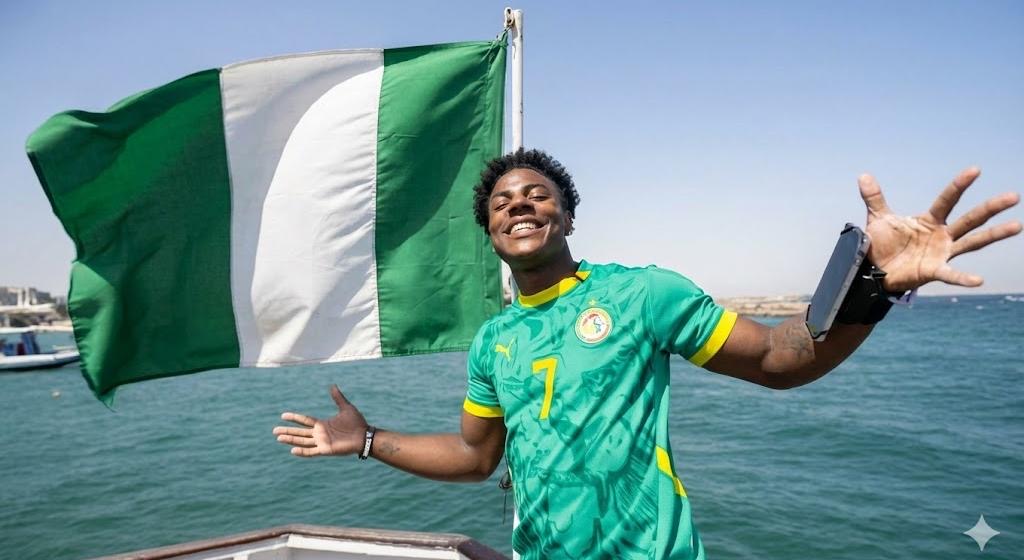
What could have been a transformative opportunity to reshape Nigeria’s international image instead unraveled into a chaotic display of crowds, begging, and cultural disconnects. This episode not only amplified Nigeria’s persistent challenges but also ignited vital internal conversations about societal issues. In an era where viral content shapes perceptions, such unmanaged visits can inflict lasting damage, particularly for a nation in dire need of a comprehensive PR rebrand.
I think the part that got me hotheaded was the lack of curation with the visit. There was no order, Egungun of Africa, the randy interviewer was so out-of-touch, everyone was seeking their own limelight rather than put together a cohesive narrative of the country. It was shambolic.
The Chaos in Lagos: What the World Saw
Speed’s Lagos visit began with high anticipation but quickly descended into disorder. He kicked off at the bustling Balogun Market on Lagos Island, where massive crowds swarmed him, heckling for money and creating scenes of overwhelming frenzy. Viral clips captured the streamer appearing visibly overwhelmed, at one point remarking that the city “stinks” amid the pandemonium. He distributed cash to some individuals, but the prevailing narrative focused on aggressive begging, mobbing, and a lack of organized engagement. Security concerns escalated, prompting alerts, and the visit underscored Lagos’s intense street energy in an unflattering way.
Complications arose with local interactions, including an awkward interview by content creator Egungun of Lagos, who later attributed the chaos to crowd pressure and tension. Nigerian streamer Peller made repeated attempts to connect with Speed, even approaching on horseback during a livestream, but was blocked by security, leading to viral footage of him being intercepted. False rumors of assault and robbery circulated online, though fact-checks confirmed no such incidents occurred. Disappointed by the experience, Speed cut his visit short and proceeded to Benin, later reflecting that while he felt welcomed overall in Africa, Nigeria’s leg fell short of expectations.
This portrayal reached Speed’s young, global, and impressionable audience, with content repurposed across TikTok and Instagram. For Nigeria, battling stereotypes of insecurity, economic hardship, and disarray, the streams planted seeds of negativity rather than curiosity. Local organizers emphasized influencers and raw street vibes over curated experiences, missing opportunities to collaborate with creators dedicated to highlighting Nigeria’s positive sides. The result was a depiction that felt unrepresentative of the nation’s vibrant, innovative spirit.
Lessons from Across the Continent: How Other Nations Capitalized
To understand the magnitude of Nigeria’s missed opportunity, consider how other African countries leveraged Speed’s platform. In Ethiopia, despite regional conflicts like those in Tigray, authorities and communities orchestrated a warm reception. Speed experienced traditional dances in Addis Ababa’s streets, participated in authentic coffee ceremonies, and visited the Adwa Memorial Museum, a testament to Ethiopia’s anti-colonial history. Cultural troupes journeyed long distances to perform, offering a balanced view of heritage from ancient Lalibela churches to daily life, which resonated deeply and challenged stereotypes for millions of viewers.
Rwanda showcased Kigali’s clean, forward-thinking environment through community gatherings and emotional interactions. Zimbabwe highlighted local talent with “Temu Speed,” a lookalike who joined the tour, amplifying Harare’s dynamism. Eswatini provided access to royal grounds and cultural exhibits, while Zambia focused on natural attractions. These nations curated experiences proactively, transforming visits into national showcases that fostered goodwill and countered negative narratives.
Nigeria, in stark contrast, lacked such coordination. Imagine if Speed had toured the National Museum and Nike Art Gallery introducing him to Benin bronzes and contemporary Nigerian art. A visit to Badagry would have shown the pre-colonial entry of the slave raiders. Such integrations would have enriched the streams, turning viral moments into educational, positive endorsements.
A Callout to Nigeria’s Leadership
Honorable Hannatu Musa Musawa, Minister of Art, Culture, Tourism and the Creative Economy, and Olayiwola Awakan, Director-General of the Nigerian Tourism Development Authority, this serves as a critical alert. High-profile events like Speed’s visit, with their instantaneous global reach, demand proactive attention from your offices. Countries like China have turned influencer trips into viral marketing campaigns by coordinating immersive experiences. Why not Nigeria? With streams rivaling major broadcasts, your team could have arranged cultural dives, from Nollywood studio tours to festivals, reorienting narratives from chaos to creativity.
This oversight is not isolated; chronic underfunding and reactive policies have hampered tourism growth. Ethiopia mobilized resources amid adversity, proving that strategic vision outweighs constraints. Minister Musawa and DG Awakan, Nigeria requires a full rebrand, shifting from perceptions of scams and instability to a celebration of innovation, music, and heritage. Collaborate with influencers, diaspora networks, and regional bodies to curate future visits. Highlight Yoruba festivals in Lagos, Igbo masquerades in Enugu, or Hausa durbars in Kano. Continued lapses like this haunt our global image, as Speed’s streams now linger as a benchmark of missed potential.
Internal Reckonings
Speed’s visit did more than expose external flaws; it prompted profound self-reflection among Nigerians. The begging culture in Lagos sparked widespread criticism, with mobs demanding handouts fueling debates on poverty, survival hustles, and entrenched classism. Elitism emerged as some blamed “Lagos problems,” while others suggested detours to Calabar for its vibrant carnival, Enugu for its scenic hills and historical sites, or Kano for its ancient walls and markets. These points hold merit, yet they raise a deeper question: Would the outcome differ substantially? Without unified planning, similar disarray might persist, rooted in systemic issues.
At the heart lies a deficit of patriotism unbound by government allegiance, but centered on national identity. As often argued, Nigeria remains more a collection of tribes than a cohesive nation, with ethnic loyalties overshadowing collective pride. The visit laid this bare: regional advocacy trumped national collaboration, as creators fragmented rather than uniting for a holistic showcase. Incidents such as Speed’s offers of companionship drew further ire, questioning societal priorities. Leadership failures exacerbate these divides, from inadequate infrastructure to a lack of programs fostering unity. Without addressing them, opportunities like this will continue to highlight fractures instead of forging bonds.
Toward a Rebranded Future
IShowSpeed’s Lagos stop transcended the individual; his platform, boasting 50 million subscribers and millions of views, offered a stage for global goodwill that Nigeria needs more than any African peer. Drawing from Ethiopia’s cultural successes and Zimbabwe’s talent integrations, the path forward is clear. Demand excellence from leaders like Minister Musawa and DG Awakan: bolster tourism infrastructure, rally creators, and design visits that emphasize our diverse heritage over fleeting headlines. By doing so, we can convert viral exposures into enduring pride, affirming that Nigeria’s core is infinitely richer than any turbulent stream implies.