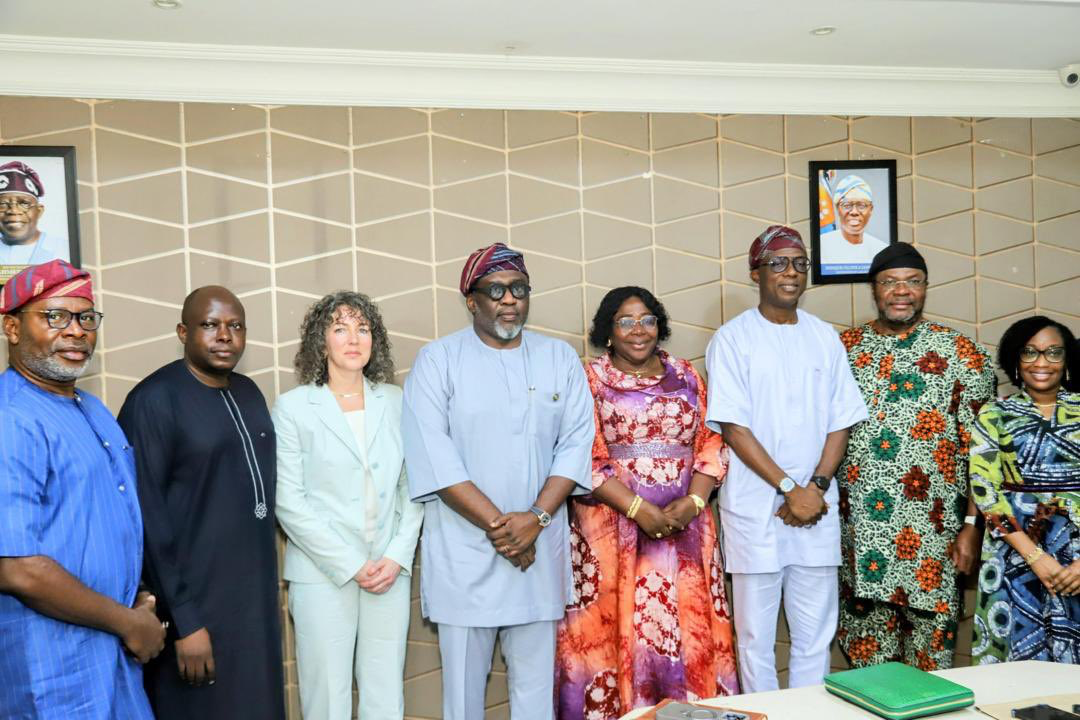
… State says collaboration will improve preparedness, early warning systems, and flood resilience
Babajide Fadoju
The Lagos State Government has announced a partnership with the World Bank aimed at strengthening emergency preparedness and disaster risk management across the state.
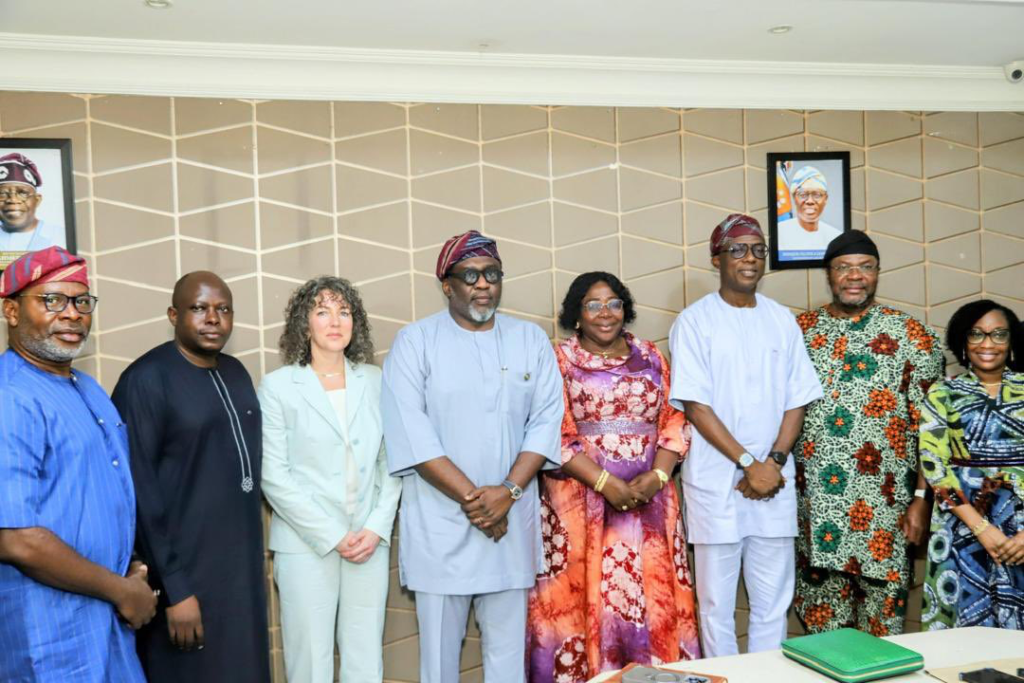
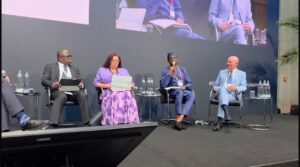
The Commissioner for Environment and Water Resources, Tokunbo Wahab, disclosed this on Wednesday during a strategic business meeting with a delegation from the World Bank’s Nigeria Disaster Risk Management team at Alausa, Ikeja.
Wahab said the collaboration reflects the state government’s resolve to build stronger systems that reduce vulnerability to disasters and improve the capacity to respond to emergencies.
He noted that Lagos continues to invest in both physical infrastructure and human resources to manage environmental risks, particularly because of its geographical realities as a coastal state.
According to him, Lagos is bordered by about 486 kilometres of the Atlantic coastline, while roughly 25 per cent of the state’s landmass is water, conditions that make it vulnerable to flash flooding.
Wahab said the state government regularly issues early warning alerts on potential environmental risks and uses the information to prepare communities and coordinate response plans.
He added that the government would soon release early warnings to residents and relevant agencies based on rainfall forecasts from the Nigerian Meteorological Agency.
“These warning signals help us plan ahead, especially in relation to sea level rise and flood risks, while also informing communities that may be affected,” Wahab said.
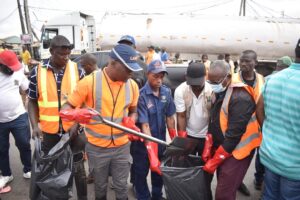
The commissioner explained that beyond infrastructure development, the ministry has intensified routine maintenance activities, including the continuous clearing and dredging of primary, secondary, and tertiary drainage channels and manholes across the state throughout the year.
He also highlighted environmental policies introduced by the state, including the ban on single-use plastics, which he said was adopted early due to Lagos’ environmental peculiarities.
Wahab said the state government remains open to deeper collaboration with the World Bank to strengthen its disaster risk management framework.
Also speaking at the meeting, the Commissioner for Economic Planning and Budget, Mosope George, thanked the World Bank for the partnership, noting that it would bring experts from both sides together to identify high-risk areas and design strategies to address them.
She said the initiative would include the development of early warning systems, emergency response plans, and public awareness campaigns aimed at educating residents on disaster risk reduction.
Earlier, the World Bank’s Team Lead and Senior Disaster Management Specialist, Francis Nkonka, said the engagement focuses on strengthening emergency preparedness and response capacity in Lagos.
He added that the World Bank is ready to support the state with technical expertise and investment in areas related to risk management.
Nkonka said the delegation had already visited some government facilities, including fire and rescue units, where discussions focused on needs relating to equipment, personnel, information systems, and data collection required to strengthen emergency response capabilities.