For years, the people of the South‑East spoke one lament in unison. The region had been abandoned. Federal roads were allowed to decay. Bridges collapsed and were not repaired. Commuters faced five‑hour journeys that should have taken two. And successive administrations, regardless of which party held power in Abuja, seemed to treat the South‑East as an afterthought. But that narrative, however justified in the past, is now outdated. The Renewed Hope media tour of Enugu State has produced overwhelming evidence that under President Bola Ahmed Tinubu, the South‑East is no longer a peripheral region. It is a priority.

Senator Osita Ngwu, representing Enugu West Senatorial District and a member of the Senate Committee on Works, put it bluntly during the tour. “Being honest, I was among those who once said that the South‑East was abandoned in the past. But that is no longer the case. Since the coming of the Tinubu administration, Enugu has not been abandoned. We have been carried along, and several federal road projects are ongoing in the state.” That admission, from a senator who has every political incentive to criticise the ruling party, carries significant weight. It signals a genuine shift in federal attention to the region.
The Eke Obinagu Flyover: A Nightmare Ended
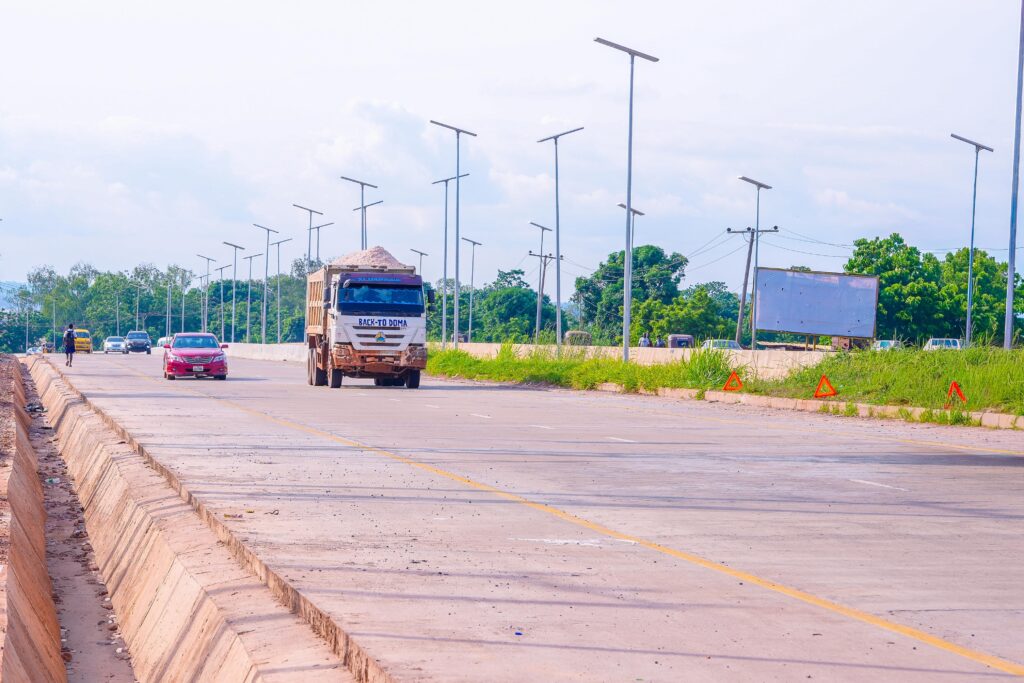
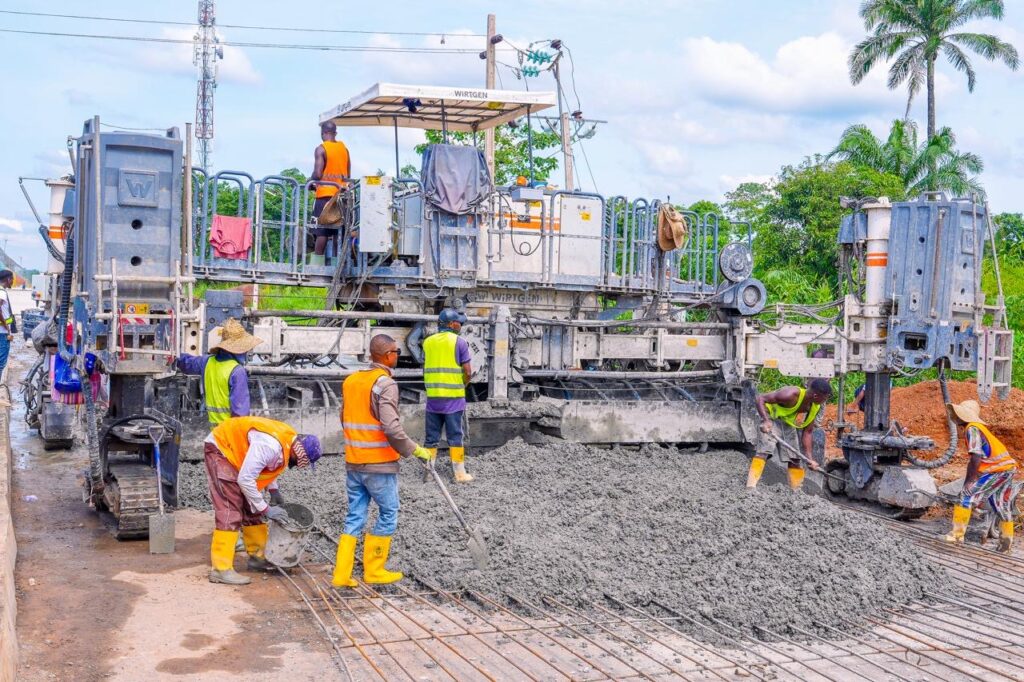
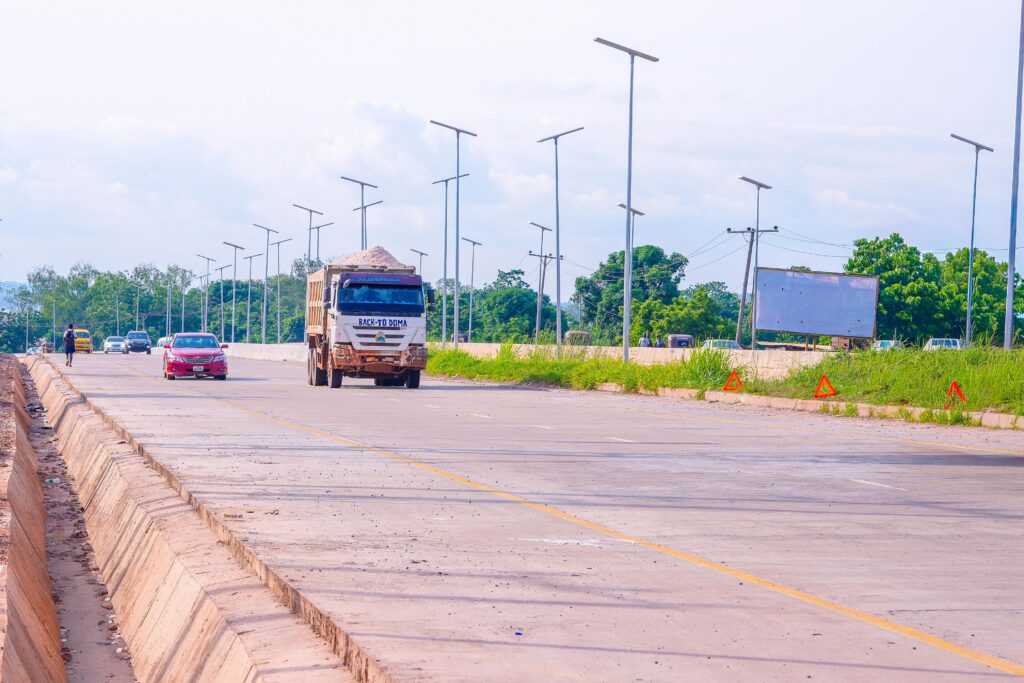
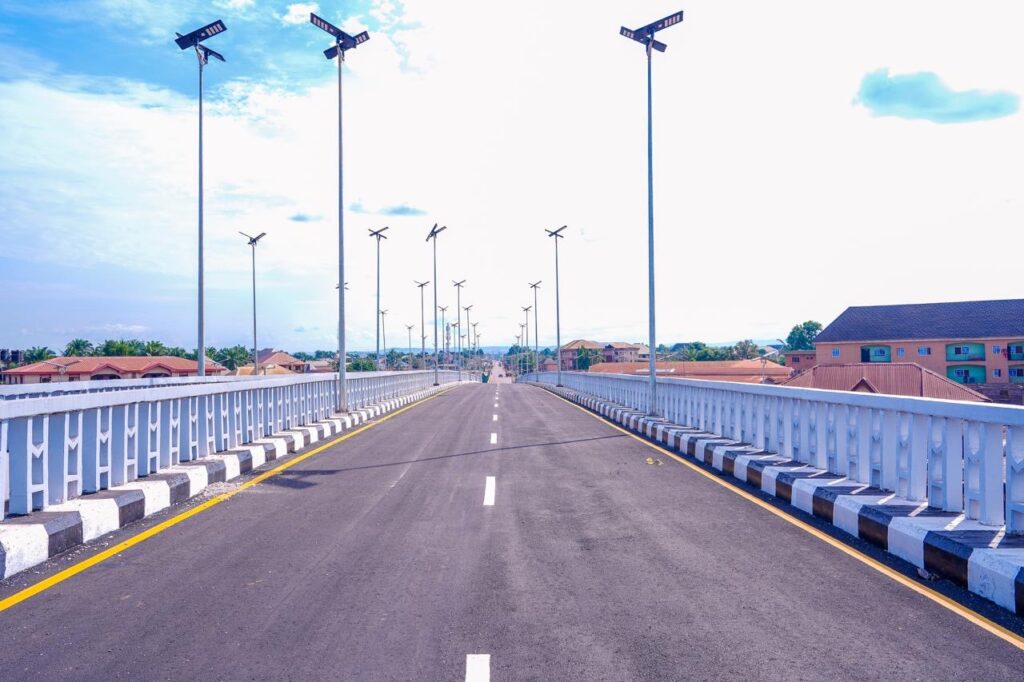
The flagship project of the Enugu tour was the Eke Obinagu Flyover, a 350‑metre dual carriage bridge linking Enugu and Ebonyi states. Before its construction, this location was a nightmare for commuters. It served as the main gateway from Ebonyi into Enugu, and the congestion was enormous. Traders, travellers, and truck drivers spent hours stuck in gridlock. The Federal Government awarded the contract in April 2024. Remarkably, work never stopped from commencement to completion. The contractor, Reinforced Global Resources Ltd., an indigenous company, has substantially completed the bridge, with only expansion joints left to be installed before it opens to traffic.
Senator Ngwu praised the Tinubu administration for completing the bridge within a remarkable timeframe. The Federal Controller of Works in Enugu State, Mr. Smart Okpi, confirmed that the quality of work conforms fully with Federal Ministry of Works standards. The Eke Obinagu Flyover is not just concrete and steel; it is a declaration that the federal government can move fast when it chooses to. And it has chosen to prioritise the South‑East.
The Enugu–Port Harcourt Expressway: From Six Hours to Two
Perhaps the most dramatic impact on the daily lives of citizens is the rehabilitation of the Enugu–Port Harcourt Expressway. Senator Ngwu recalled the nightmare when the Artisan Bridge collapsed. Movement between Enugu and Port Harcourt, two of the most economically vital cities in the South, was severely disrupted. Motorists were forced to take alternative routes through villages, turning a two‑hour journey into five or six hours of agony. Through the intervention of the Federal Government and the Minister of Works, Senator Dave Umahi, the bridge was fixed in record time. Today, the journey takes just a little over two hours.
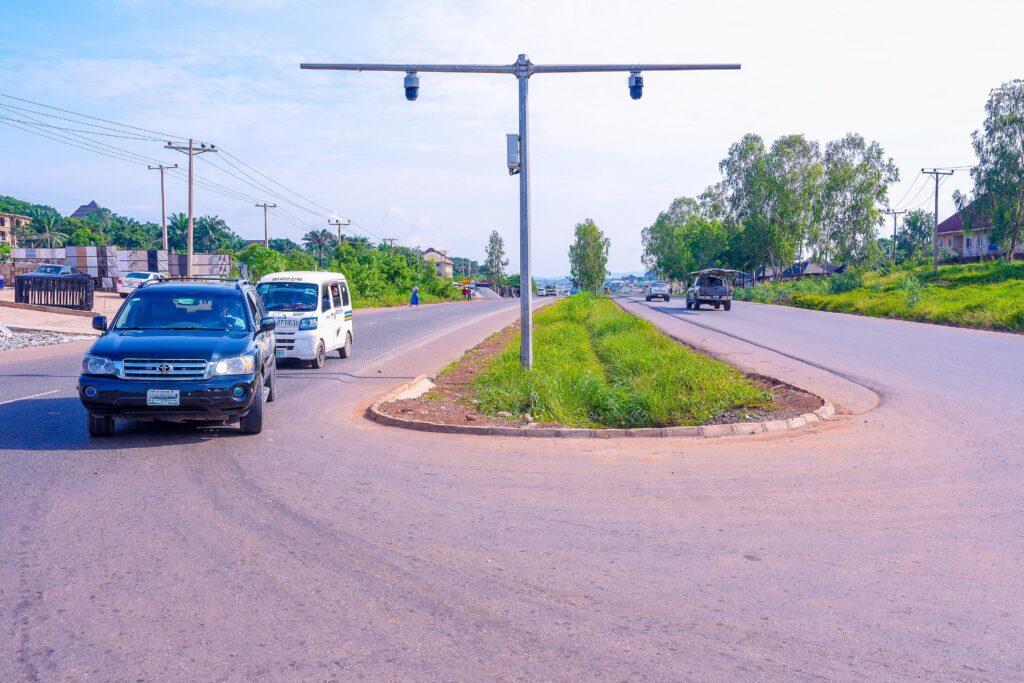
The rehabilitation project covers 61 kilometres on each carriageway. That is not cosmetic patching; it is a comprehensive overhaul. The reduction in travel time has also meant a reduction in accidents, fuel consumption, and vehicle wear. Businesses that depend on moving goods between the South‑South and South‑East have seen their logistics costs drop. This is the tangible, measurable impact of the Renewed Hope Agenda.
The Enugu–Onitsha Expressway: Taming a Death Trap
The Enugu–Onitsha Expressway has long been notorious, particularly the Ugwuonyeama axis, which was regarded as a death trap. Steep gradients combined with heavy truck traffic led to frequent crashes and loss of lives. The federal government has now reconstructed significant sections of this road. A 32.5‑kilometre section has recorded substantial progress, with most carriageways completed. Senator Ngwu noted that accidents have significantly reduced since the reconstruction began. This is not just infrastructure; it is a life‑saving intervention. Every driver who now climbs Ugwuonyeama with confidence owes a debt to the administration that finally decided to fix the road.
Other Ongoing Federal Projects in Enugu
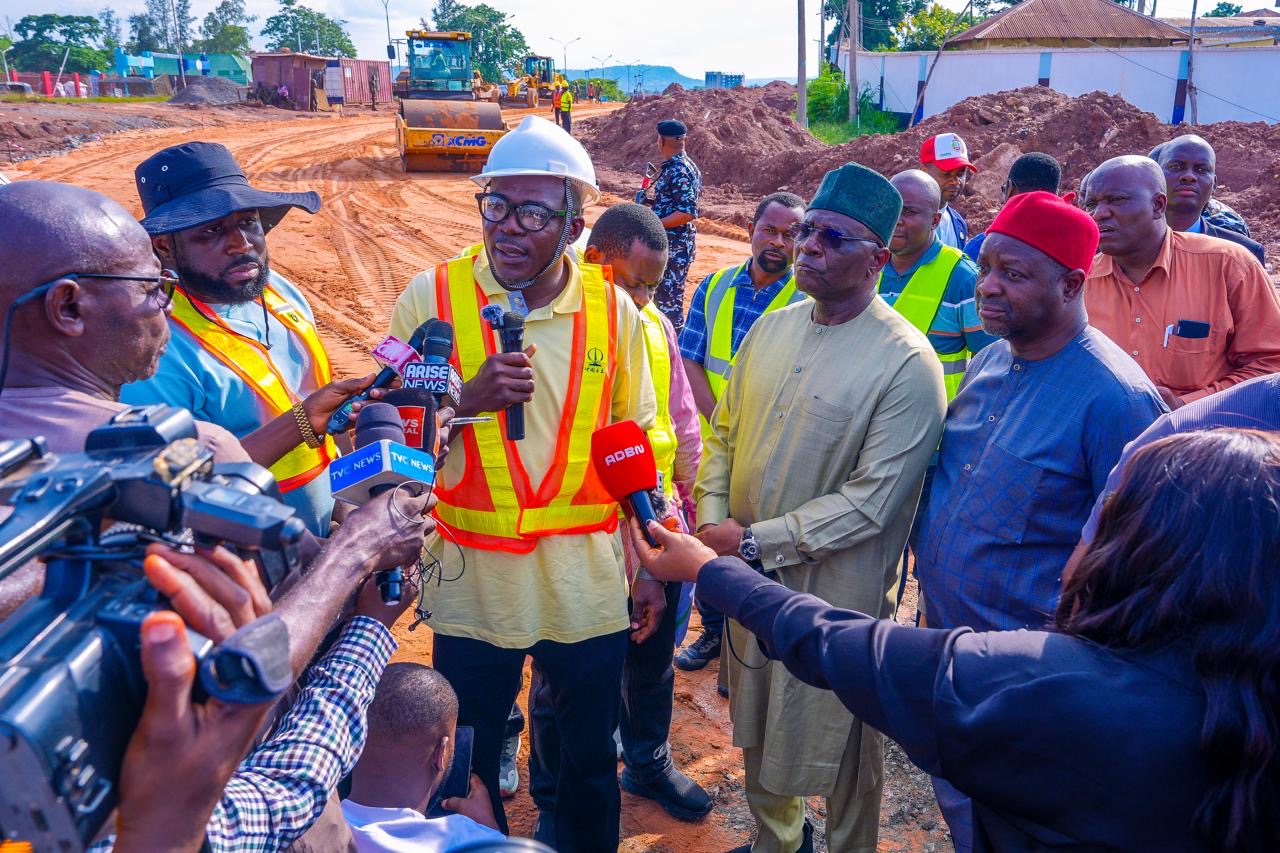
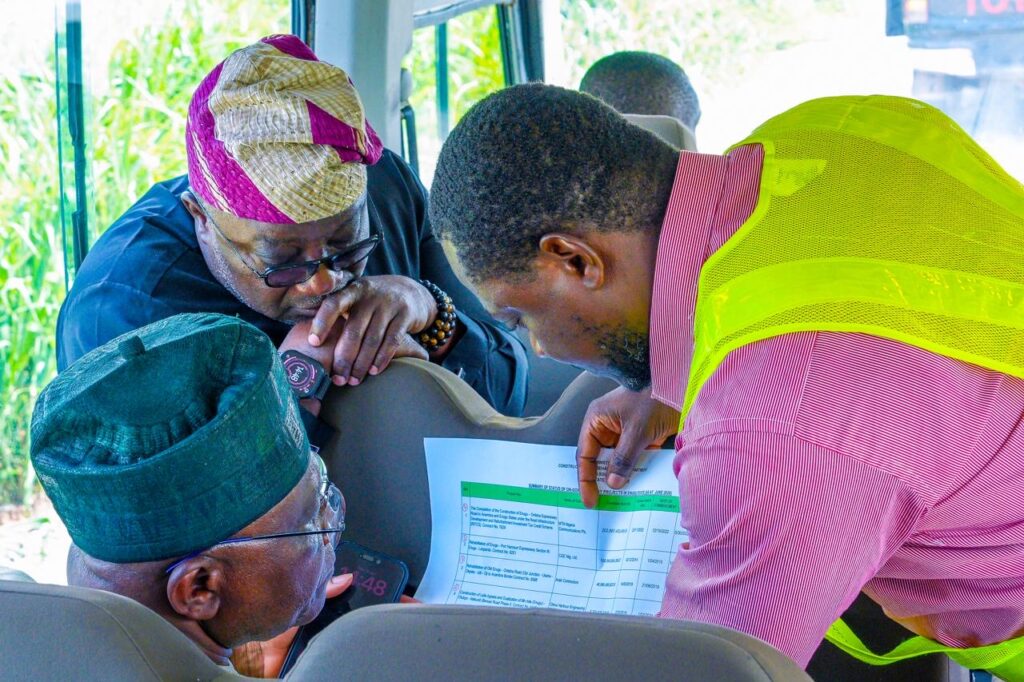
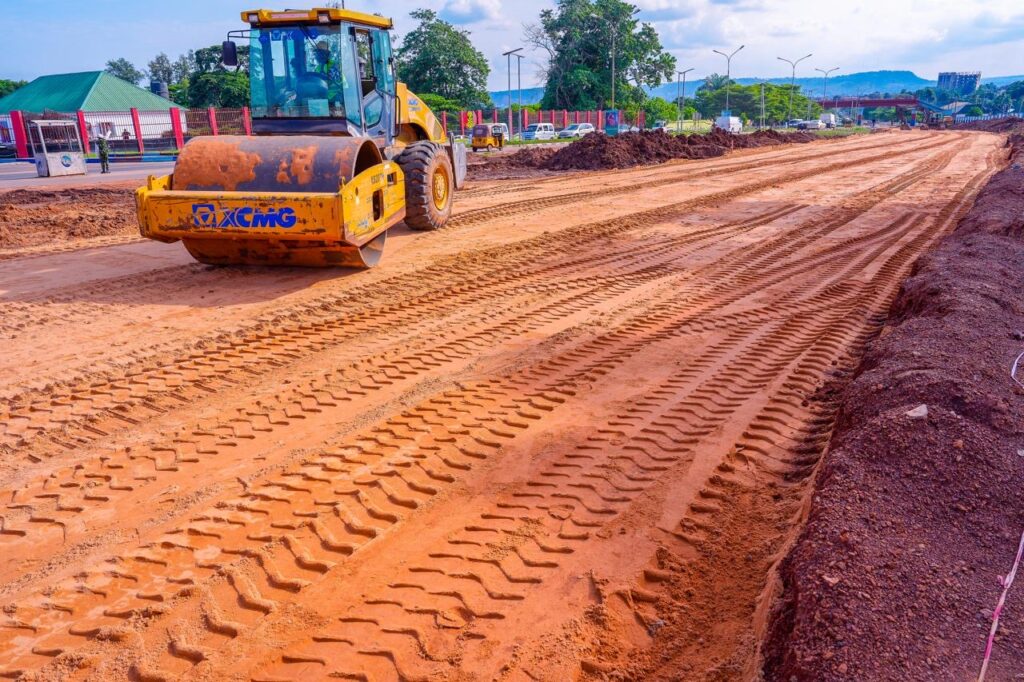
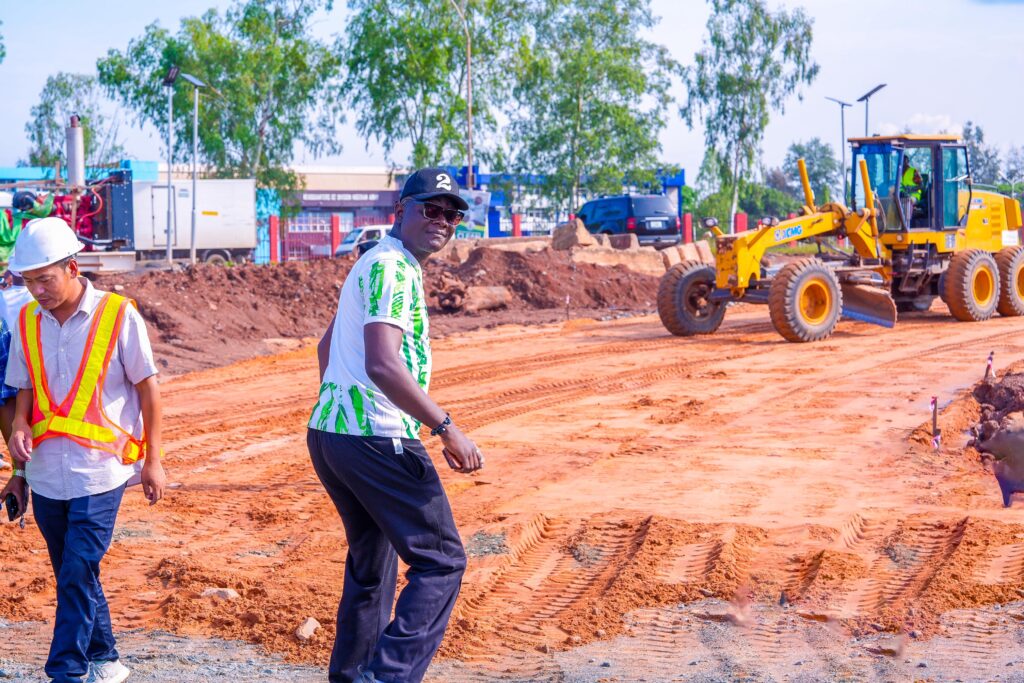
The list of federal interventions in Enugu does not end there. The dualisation of the Enugu–9th Mile–Makurdi Expressway is underway. The Abakpa Junction interchange, a complex bridge project designed to decongest one of Enugu’s busiest intersections, is progressing. Emergency interventions have been carried out on damaged sections of the Oji‑Achi‑Mmaku road. The Abakpa Junction Bridge project, which the tour team inspected, will further ease traffic flow in the state capital. These are not isolated gestures; they constitute a coordinated, multi‑pronged assault on infrastructure deficit.
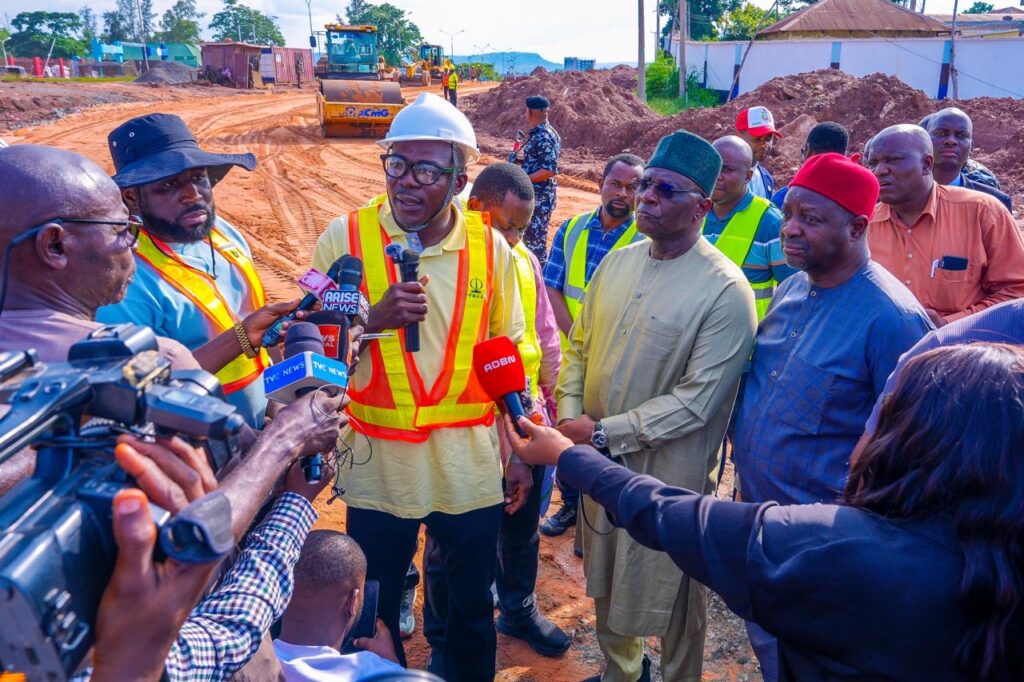
Speaking during the tour, Dada Olusegun, a member of the Renewed Hope media team, observed that the delegation had seen massive, state‑of‑the‑art construction sites across Enugu and Ebonyi. He noted that President Tinubu appreciates the good works of state governors, but more importantly, that the increased allocations from the federal government are being visibly utilised. He directly credited the savings from the fuel subsidy removal for making many of these projects possible. Without those funds, he argued, some of the ambitious initiatives would have remained pipe dreams. He also highlighted the extensive use of local contractors, which has boosted state economies and created jobs.
Sunday Dare: No Region Left Behind
The Special Adviser to the President on Media and Public Communications, Mr. Sunday Dare, reinforced the message during the tour. “Every region is being carried along, and Nigerians are already feeling the impact of ongoing road projects across the country,” he said. He cited the rehabilitation of critical infrastructure, including the bridge linking Enugu and Port Harcourt, as evidence of the administration’s responsiveness. “By the time we conclude our assessment across the six geopolitical zones, Nigerians will have enough evidence that the President is working for the country,” Dare added.
The Senior Special Assistant to Governor Peter Mbah on External Relations, Mr. Uche Anichukwu, commended the Federal Government for the Eke Obinagu Flyover, describing it as strategic to regional economic growth. He noted that the project complements the Enugu State Government’s ongoing dualisation of the road corridor leading to the Ebonyi border. This synergy between federal and state governments is exactly what the Renewed Hope Agenda envisions. The federal government provides the major arteries; states connect the capillaries. Together, they create a seamless network that moves people, goods, and services efficiently.
Seeing Is Believing
The Renewed Hope media tour of Enugu was not a ceremonial visit. It was an evidence‑gathering mission. And the evidence is overwhelming. The Eke Obinagu Flyover will soon open to traffic, ending years of congestion. The Enugu–Port Harcourt Expressway now connects the two cities in a little over two hours. The Enugu–Onitsha road is safer. The Abakpa Junction interchange is rising. The Oji‑Achi‑Mmaku road has received emergency attention. Across every axis of the state, federal contractors are working, often with indigenous firms, using local labour, and delivering quality that meets ministry standards.
The fuel subsidy removal was a difficult decision. It caused temporary pain. But as Enugu now demonstrates, the increased FAAC allocations that followed have empowered the federal government to invest in infrastructure at a pace and scale previously unimaginable. The South‑East is no longer abandoned. It is being rebuilt. And the man at the centre of it all is President Bola Ahmed Tinubu. Seeing is believing. And we have seen.