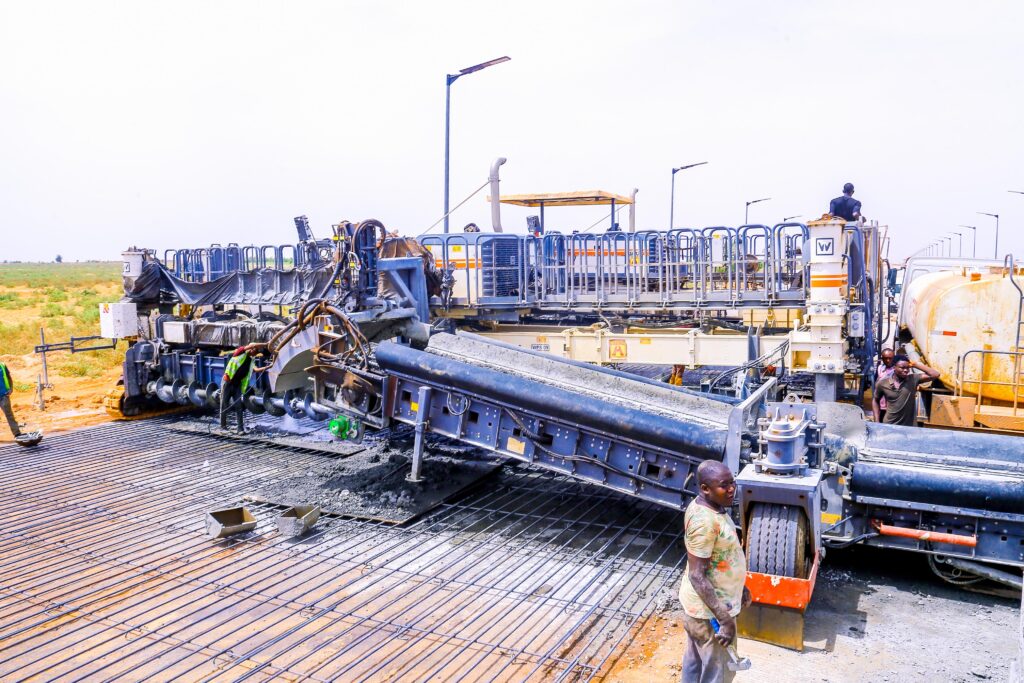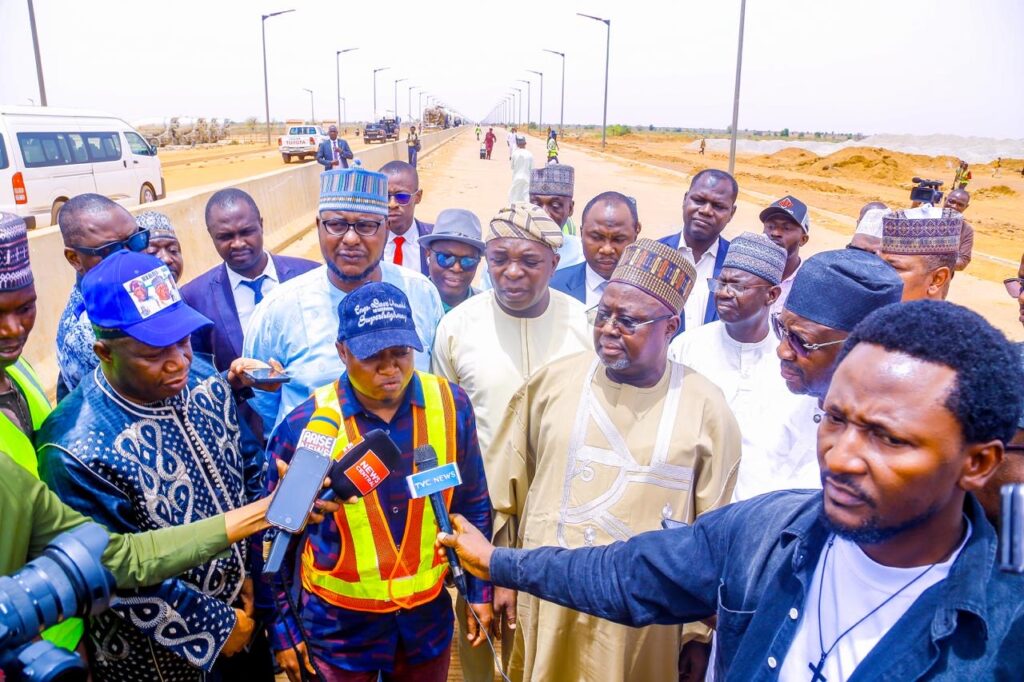
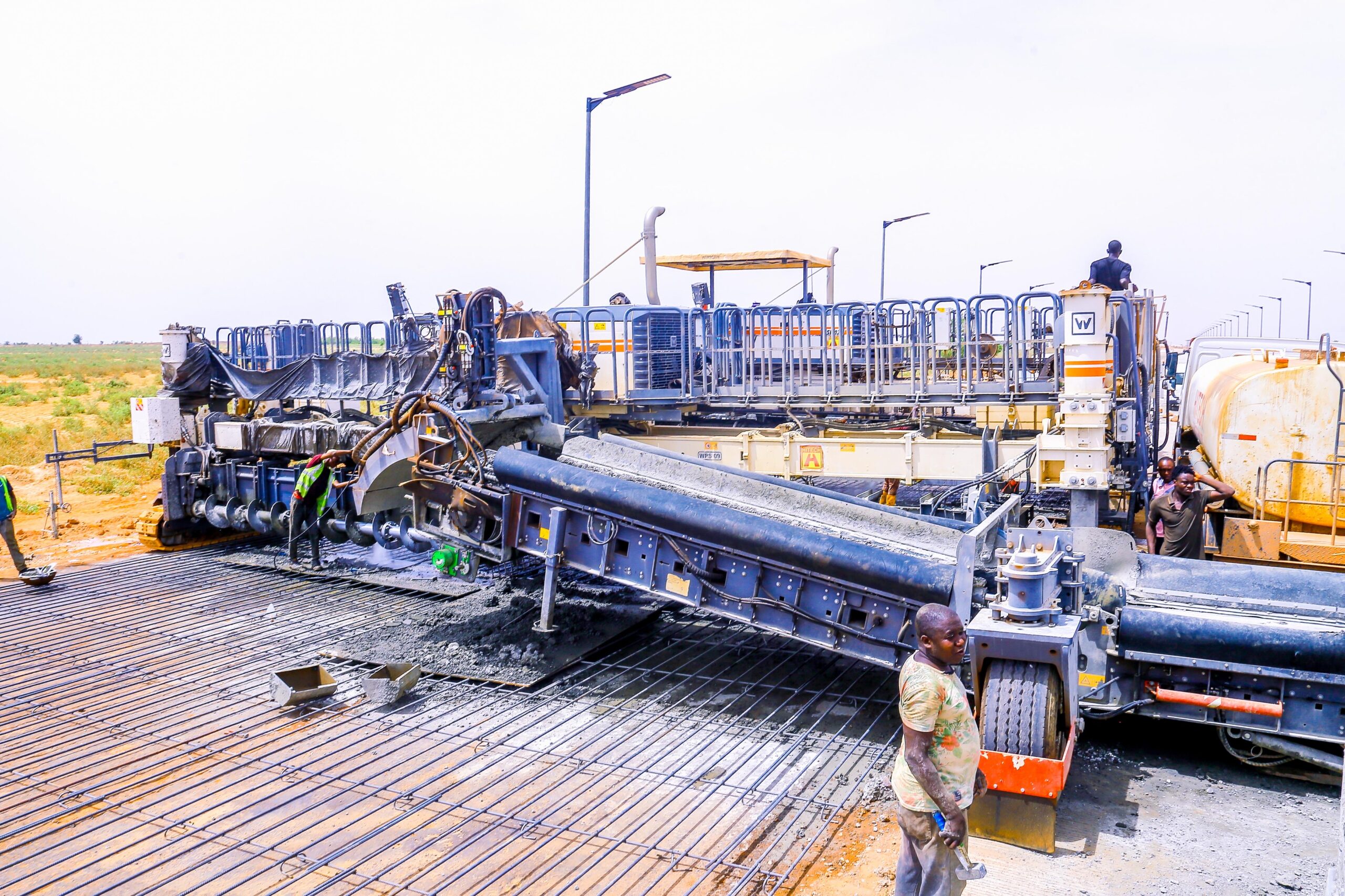
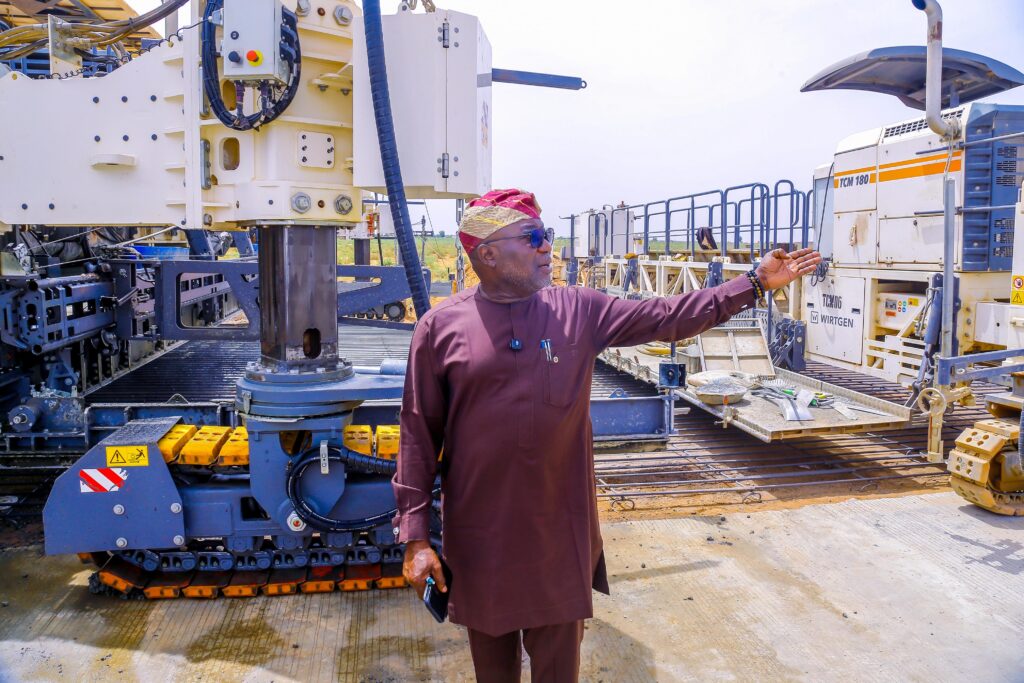
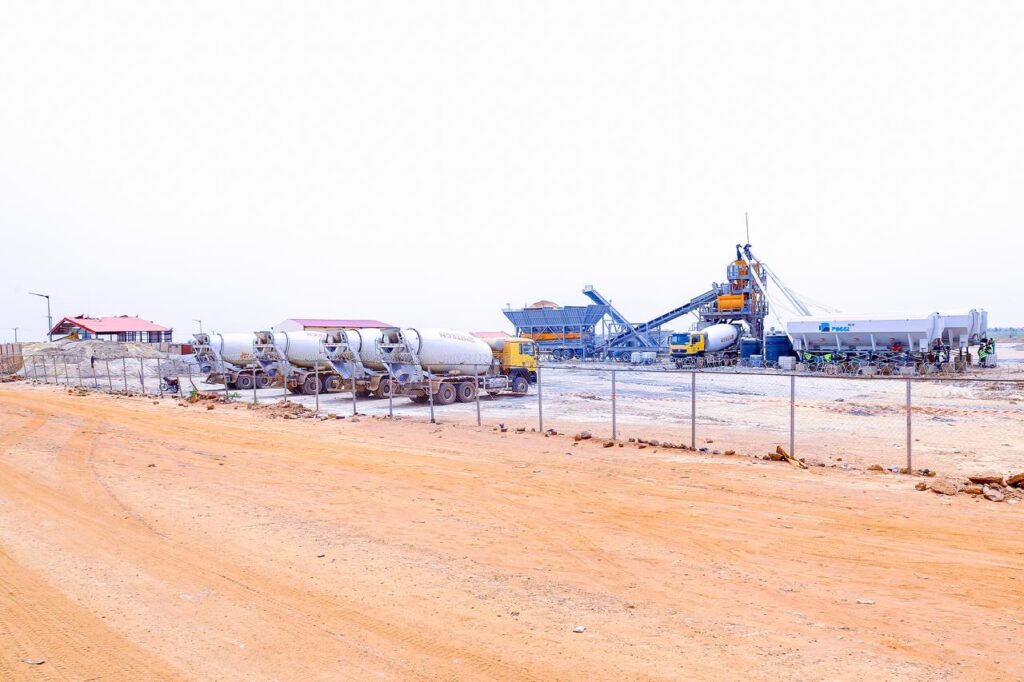
During a recent inspection tour of the corridor, presidential aides and representatives from top media stations, I could see that the ongoing earthworks, bridge foundations, and drainage systems across the Kebbi axis are progressing substantially.
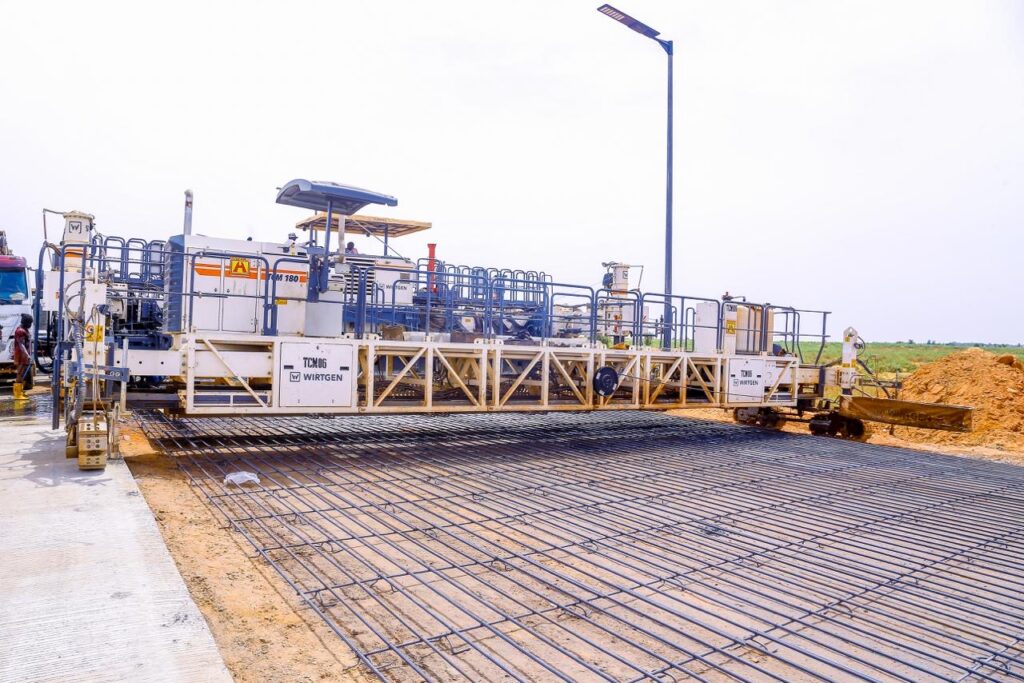
The project was further described as “real and futuristic,” directly countering skeptics who had doubted the administration’s commitment to the 1,000‑kilometre highway that will connect Sokoto State to the Lagos seaport through Badagry.
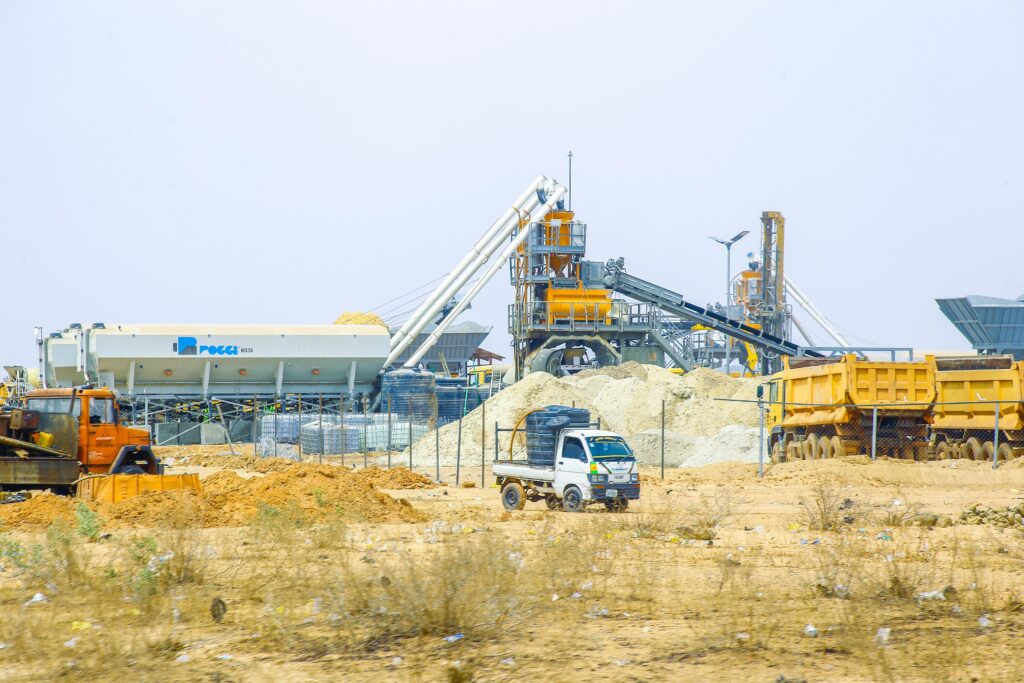
The inspection team observed multiple kilometres already cleared and graded, with contractors working simultaneously to accelerate completion.
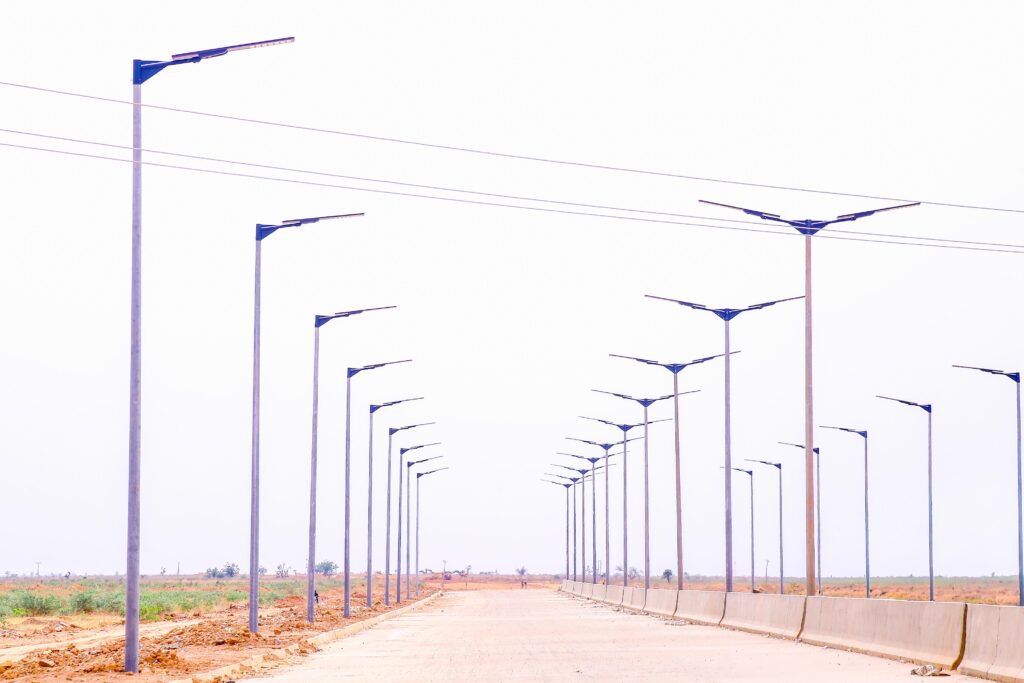
For Kebbi State, a predominantly agricultural hub known for rice, wheat, and sesame production, this highway is a strategic economic lifeline.
Once completed, it will drastically reduce travel time between the North‑West and South‑West, enabling farmers to move produce to southern markets and export hubs with minimal post‑harvest losses.

Officials noted that the Kebbi leg will not only boost trade across state lines but also open up rural economies, create jobs, and strengthen national food security.
The federal government has pledged continued oversight to ensure world‑class standards, with the highway expected to serve as a lasting legacy of the Tinubu administration long after its commissioning.