For decades, the narrative about doing business in Africa has been fragmented. Investors spoke of East Africa’s tech hubs, Southern Africa’s industrial base, and North Africa’s trade links to Europe. But one city has always sat at the crossroads of all these conversations: Lagos. And with Invest Lagos 3.0, the world is finally paying attention to what Lagos has always been – the business gateway to Africa.
The theme of this year’s event is not a marketing slogan. It is a statement of geographic, economic, and demographic fact. Lagos is home to over 24 million people, the largest city on the continent and one of the fastest-growing consumer markets in the world. But scale alone does not make a gateway. A gateway requires connectivity, and Lagos delivers. The Apapa and Tin Can Island ports handle more than 70 percent of Nigeria’s maritime trade. The Murtala Muhammed International Airport connects Lagos to every major African capital and increasingly to direct flights from Asia, Europe, and the Americas. The Lagos–Ibadan railway now moves goods and people efficiently, and the ongoing Kano–Maradi standard gauge line will soon link the northern hinterland to Lagos ports, creating a seamless corridor from the Sahel to the Atlantic.
Being a gateway also means being a launchpad. Investors who set up in Lagos do not just serve Lagosians; they gain access to the entire Economic Community of West African States (ECOWAS) market of over 400 million people, and through the African Continental Free Trade Area (AfCFTA), a potential market of 1.4 billion. The Lagos Free Zone, the Lekki Free Zone, and the various industrial clusters across the state are designed for export‑oriented manufacturing. When a company manufactures in Lagos, it is not serving only Nigeria; it is positioning itself to serve Africa.
But the gateway thesis rests on more than infrastructure and trade agreements. It rests on talent. Lagos has the deepest pool of skilled labour in West Africa. From software engineers in Yaba (Nigeria’s Silicon Valley) to creative artists in Ikeja, from financial analysts on Victoria Island to logistics experts at the ports, the city produces and attracts human capital. This is why global companies like Google, Microsoft, and Uber have chosen Lagos for their regional headquarters. This is why fintech unicorns like Flutterwave and Paystack were born here. Talent flows to where opportunity is concentrated, and opportunity is concentrated in Lagos.
Critics will point to the challenges: traffic congestion, infrastructure deficits, bureaucratic friction. And they are not wrong. But the same critics often miss the point. A gateway is not a utopia; it is a dynamic, sometimes chaotic, always evolving entry point. The Lagos State Government, under Governor Babajide Sanwo‑Olu’s THEMES Plus Agenda, has systematically addressed these challenges. The monthly environmental sanitation exercise has been reinstated and enforced. The ban on Styrofoam and single‑use plastics is holding. The Adiyan Phase II Water Treatment Plant is progressing. Hundreds of kilometres of roads, drainage channels, and flyovers have been built or rehabilitated. The message is clear: Lagos is not waiting for perfection; it is building it, day by day.
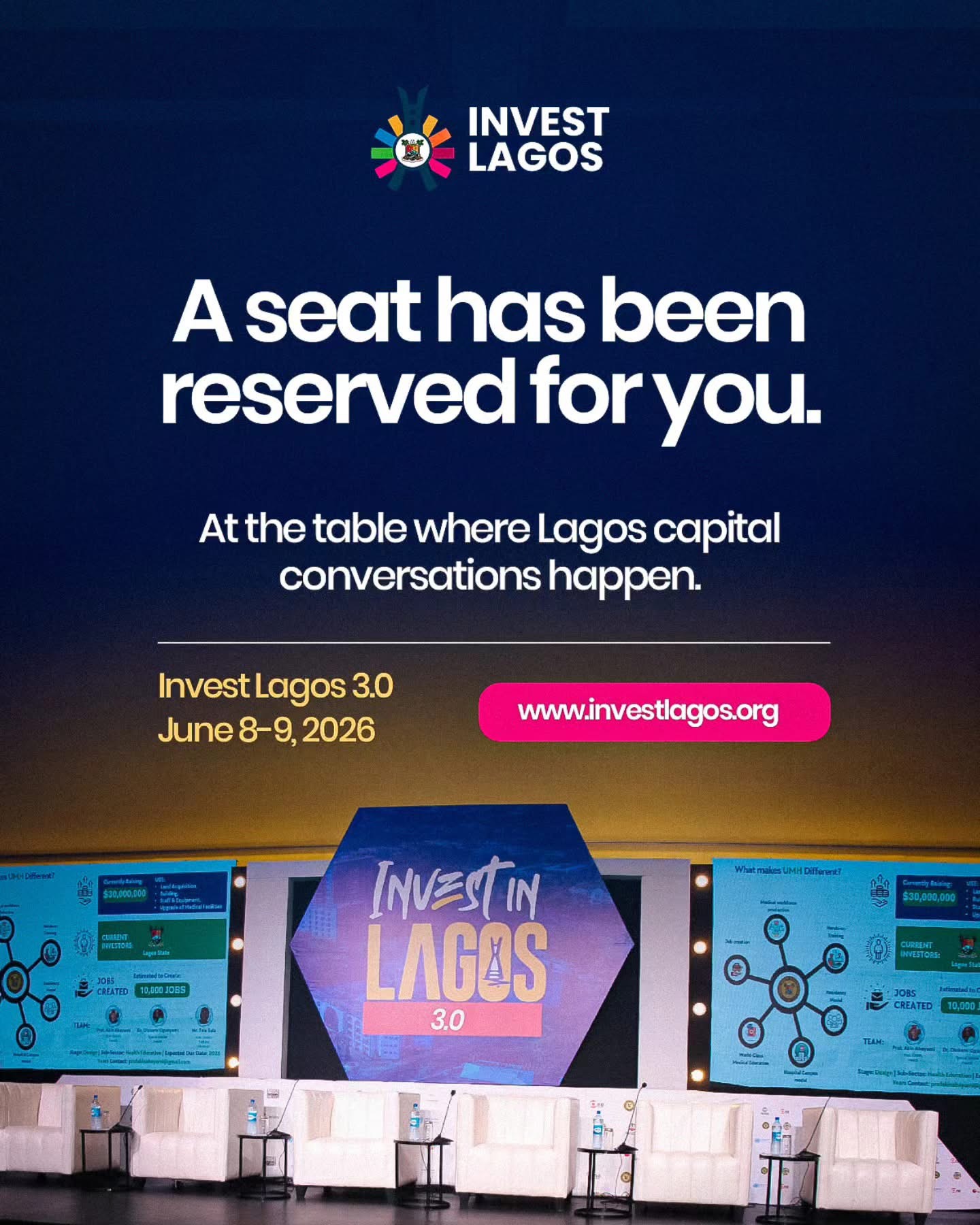
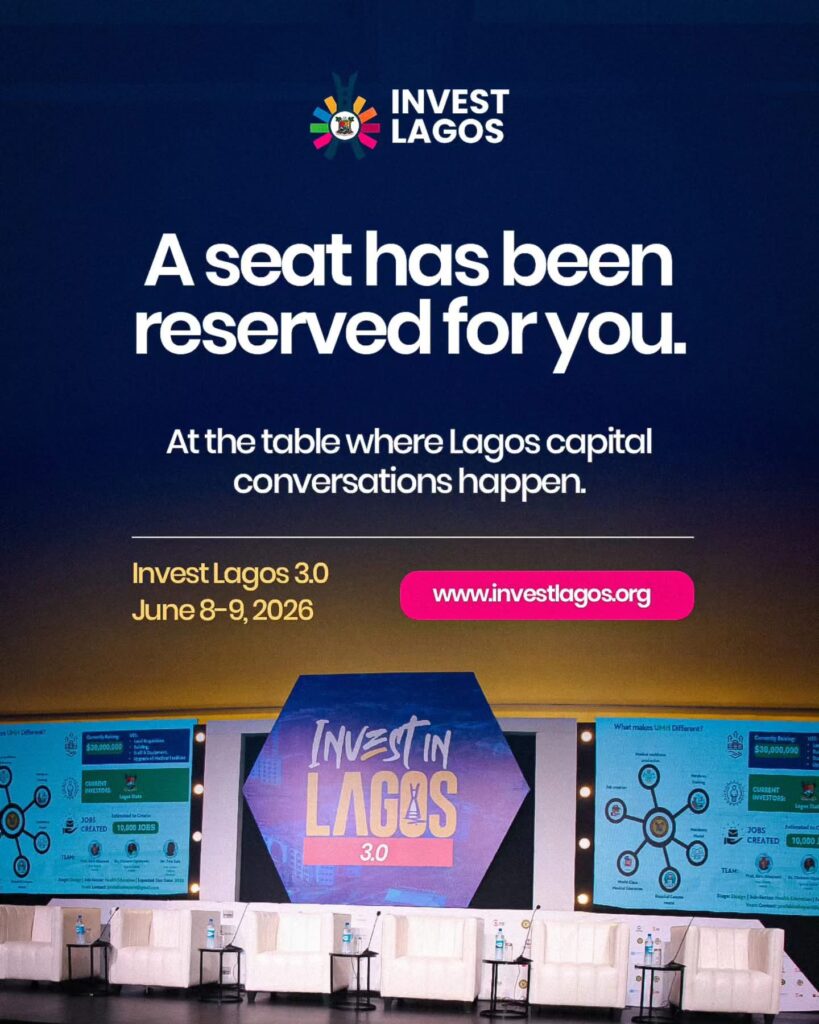
Invest Lagos 3.0, held in partnership with the Commonwealth Enterprise and Investment Council, is the moment the world gets to see that progress up close. Over two days, from 8 to 9 June 2026, at Eko Hotel and Suites, more than 1,000 delegates from 50 Commonwealth member states will hear from President Bola Ahmed Tinubu, Governor Sanwo‑Olu, and a host of industry leaders. They will explore sector‑specific incentives in technology, manufacturing, renewable energy, agriculture, and creative industries. They will visit project sites, sit at negotiating tables, and sign deals.
The theme is bold because the ambition is bold. Lagos is not merely open for business. Lagos is ready to lead. It is the city where capital moves, where demand never sleeps, and where access to the continent is a daily reality. For any investor seeking to understand Africa’s economic future, the journey begins here. Welcome to the gateway.