Babajide Fadoju
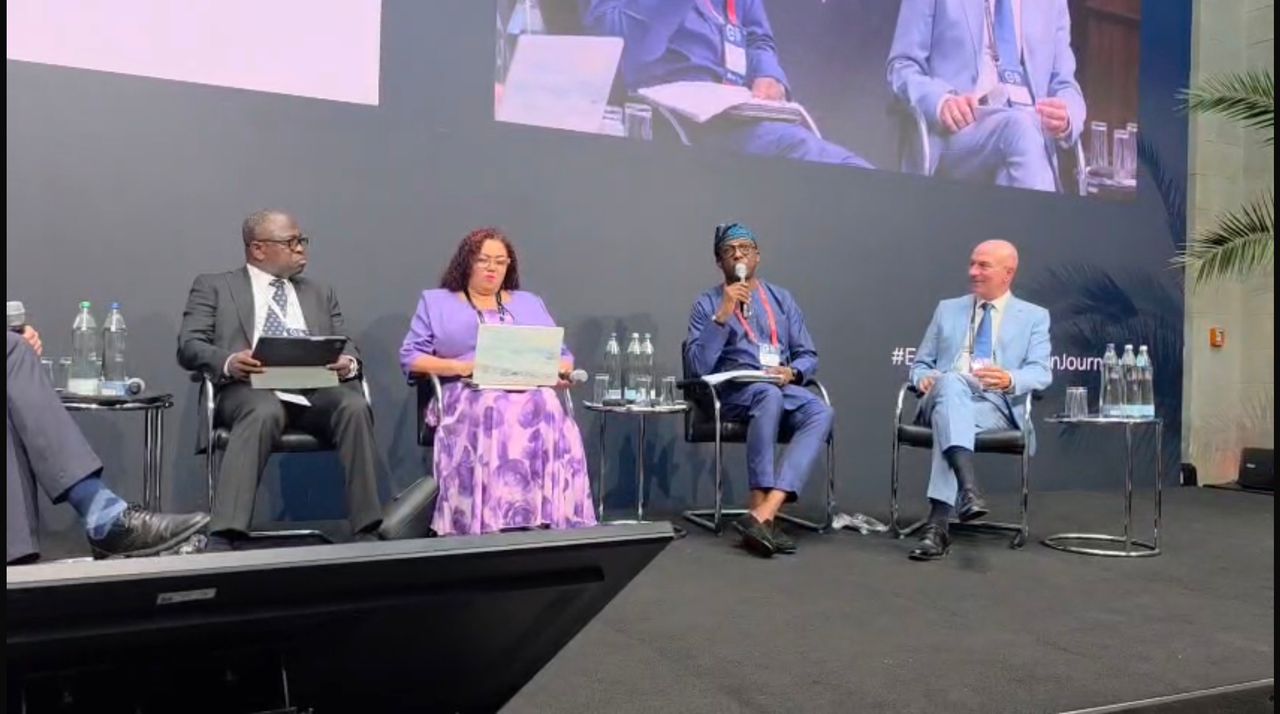
Lagos State Commissioner for Environment and Water Resources, Tokunbo Wahab, has warned that the disruption of Lagos, one of the world’s most exposed coastal megacities, would have serious consequences for Nigeria and far beyond the African continent if decisive climate action is delayed. He made this known while speaking on a high‑level panel at the 2nd Berlin Climate Mobility Forum 2026, held at the Humboldt Carré in Berlin.
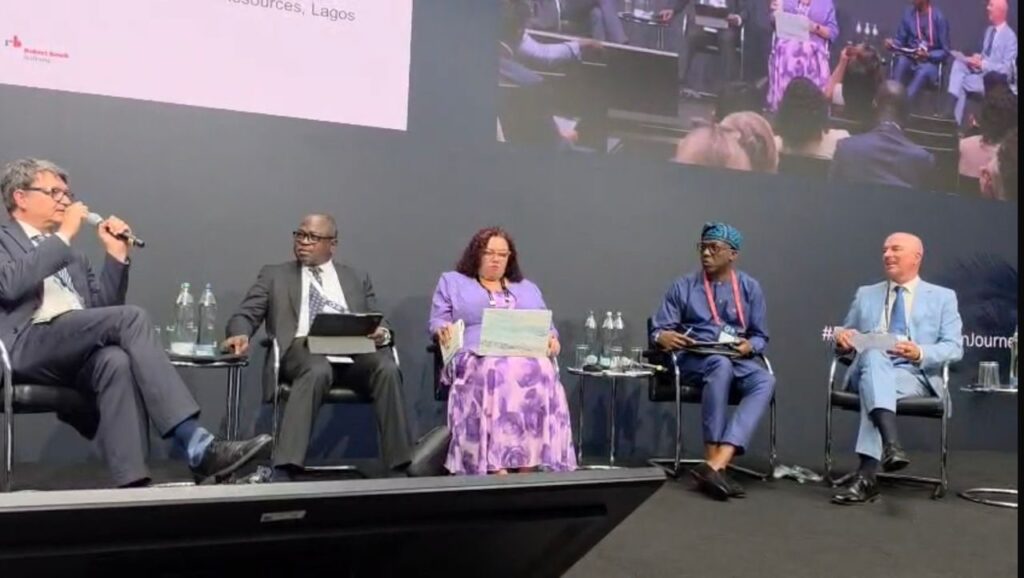
The panel, titled Protecting Rights in the Face of Sea Level Rise, brought together an extraordinary gathering of global leaders, including H.E. Dr. Terrance Drew, Prime Minister of Saint Kitts and Nevis; H.E. Uz Hussain Mohamed Latheef, Vice President of the Republic of Maldives; H.E. Seidu Issifu, Minister of State for Climate Change and Sustainability of the Republic of Ghana; H.E. Tania Serafim Yvonne Romualdo, Permanent Representative of Cabo Verde to the United Nations; and Hon. Luca Salvetti, Mayor of Livorno. Wahab noted that the forum served as a powerful reminder that the climate crisis does not respect borders and that coastal cities across Africa, Europe, the Caribbean, and the Pacific share a common and existential threat.
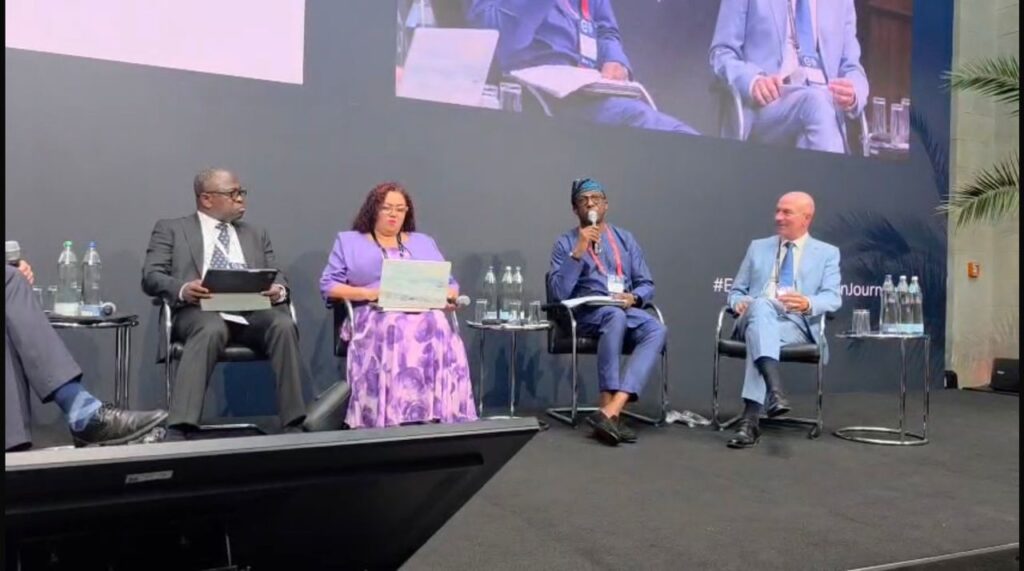
Presenting the Lagos reality, Wahab stated that millions of residents are at direct risk, with the possibility of large‑scale displacement if action is delayed. He disclosed that Lagos is already integrating sea level rise projections into its urban planning, drainage masterplan, and environmental governance framework. “We are not waiting for disaster to arrive before we act,” he said. However, he emphasised that the state cannot do it alone, calling for genuine coalitions, localized climate finance, technology transfer, and direct partnerships between vulnerable cities and global institutions.
Wahab declared that the front line of climate change is urban, coastal, and now. He affirmed Lagos’s readiness to lead, partner, and build the resilient future its people deserve. The journey to a #CleanerLagos, he said, is inseparable from the journey to a climate‑resilient Lagos, and both are central to the vision of a #GreaterLagos.