By Olumuyiwa Gbadegesin
Some communities in Lagos have been left without dependable waste collection because the operator assigned to their area has withdrawn, had its appointment terminated or failed to sustain service. In other cases, a newly assigned operator has declined to take up the route. The result for residents is the same: waste continues to accumulate while the service gap remains unresolved.
These gaps have different causes. The monthly performance reviews of the affected operators identified lack of an adequate number of functional compactor trucks, difficult roads, delays at disposal sites, and non-payment for services among the reasons for operator withdrawal. Each of these can affect the ability to sustain collection if not well-managed by the operator.
Ending an operator’s appointment or identifying a vacancy does not remove the waste waiting outside people’s homes. LAWMA’s responsibility to residents continues while we assess the route and arrange a capable replacement.
That is why we established the Special Task Force on Interim Monitoring, Realignment and Management of PSP Operational Coverage Areas, chaired by Mrs Mojisola Adeleye, a LAWMA veteran and Head of Healthcare Waste Services. The immediate purpose of the Task Force is to provide continuity of collection in affected areas using available LAWMA assets while the wider PSP reform process proceeds.
Their assignment, however, extends beyond backlog clearance. The team must establish which areas lack service, verify operational capacity, assess domestic and commercial demand, estimate the resources and costs of intervention, and recommend appropriate coverage arrangements. Where boundaries or responsibilities need to change, those changes must go through the required approval.
LAWMA’s interim collection gives communities support while that work takes place. The team is also expected to engage residents and local governments on collection, billing and payment, and support the process of identifying operators able to sustain service on the affected routes.
This brings operational recovery and reform into the same process. Intervention gangs address the immediate accumulation of waste. Monitoring and route assessment provide the evidence needed to establish a service that is timely and sustainable.
From coverage gaps to field intervention
At the team’s first meeting with me on 29 September, the PSP Services Department identified 34 areas, wards or slots with gaps in proper collection. We agreed to begin with 20. The team subsequently prioritised Oke-Ira Ward, Ramoni Ward and Oluodo Ward for the first field phase. The results in this account cover 7 to 9 October 2026.
In Oke-Ira, Ojodu LCDA, work began on Oladipo Banjo Street on 7 October. After completing the remaining 15 buildings the next day, the crew moved to Olu Street, where service remained partial.
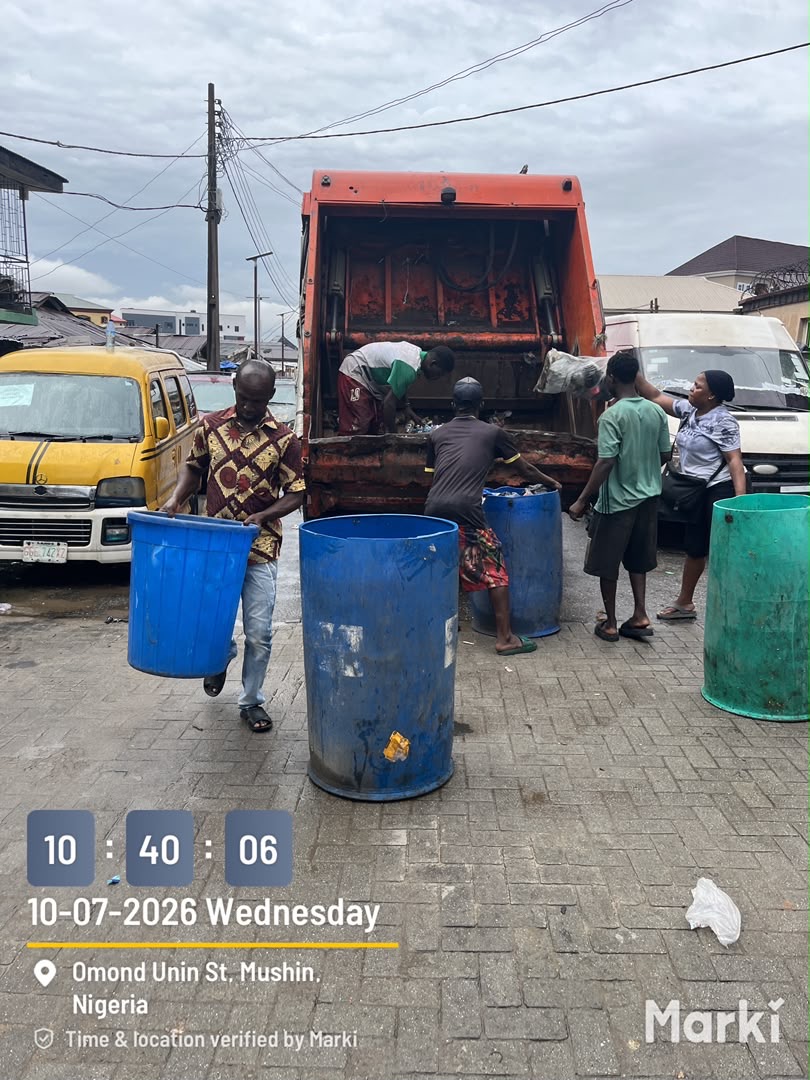
On 9 October, the team reported completing Jacob Sonola Street, serving Aderemi Adeboye Street and partly serving Ajayi Street. Advocacy officers joined the operation to engage residents. Further engagement was scheduled for 10 October.
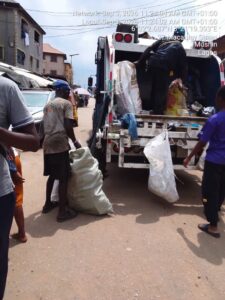
In Ramoni Ward, Itire-Ikate LCDA, crews serviced Omodunni Street from beginning to end on 7 October. Parts of Salami Oke Street, Gasper and Durojaiye streets, and Ashimowu and Odubiyi streets also received collection.
The following day, collection continued on Adeosun and Adekoya streets, with further partial coverage on Ashimowu and Odubiyi. The Advocacy Unit accompanied the work, explaining collection arrangements and the need to pay for authorised services.
The Ramoni intervention truck had tyre problems that limited the load it could safely carry. The team raised the need for replacements. This reduced the amount of waste the vehicle could remove and left further work to complete.
The distinction between full and partial coverage is essential. A report that names a street should also say whether the crew completed it. Residents at the end of an unfinished route need to know that their outstanding collection remains on the work programme.
The collection cycle determines the service
In Oluodo, Igbogbo-Baiyeku LCDA, the intervention began later than planned. The team reported a disposal delay, a deflated tyre and a subsequent kickstarter fault. Fleet officers worked on the vehicle before it commenced collection in Irepodun Community on 9 October.
That day, the crew serviced 33 buildings across Faniyi, Arulogun Olaseni, Olawale Balogun, Arch Jide, Ayinde Odusanya and Alhaja Siyanbola streets. Alhaja Siyanbola Street remained incomplete when the truck reached its carrying capacity.
The 33-building count records service delivered during that operation. It does not establish that all six streets, or the wider community, were fully covered. The unfinished work must be cleared in the next deployment.
The Ramoni and Oluodo experiences show how a vehicle fault becomes a service delay. A truck may be assigned to a route but still be unable to collect. It may collect successfully but then face difficulties disposing of its load. Its next collection depends on completing that cycle.
For residents, the consequence is more time spent waiting while waste accumulates. For LAWMA, the lesson is to assess the full operating chain when we investigate a missed collection or design a recovery plan.
That means examining serviceable vehicles, safe carrying capacity, route access, disposal turnaround and the ability to return consistently. Deployment records are useful, but they must be followed by evidence of work completed and work still outstanding.
These first interventions are giving the team specific operational evidence to guide that assessment. The immediate priority remains completing collection safely in the affected communities.
Keeping service running after clearance
The next task is to finish partly serviced streets and sustain collection while longer-term coverage arrangements are developed. A cleared backlog brings relief. Waste generation continues, so the service must continue too.
The planned enumeration of homes, commercial facilities and markets in Oke-Ira, including assessment of medical facilities, will help establish demand and the resources needed. This is how the team’s wider mandate connects to its first interventions.
Any longer-term assignment should reflect demonstrated capacity to deliver the service required under the conditions of the route. The task force’s findings will support those decisions through the established PSP reform process. Permanent franchise decisions remain subject to the required approvals.
I have asked for daily public updates with enough context to explain the work. An update should identify the area, the collection completed, the streets still awaiting service and any material delay. It should make the next step understandable to the people affected.
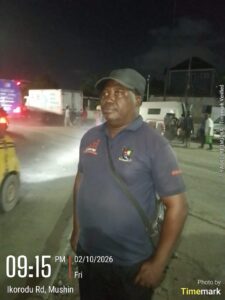
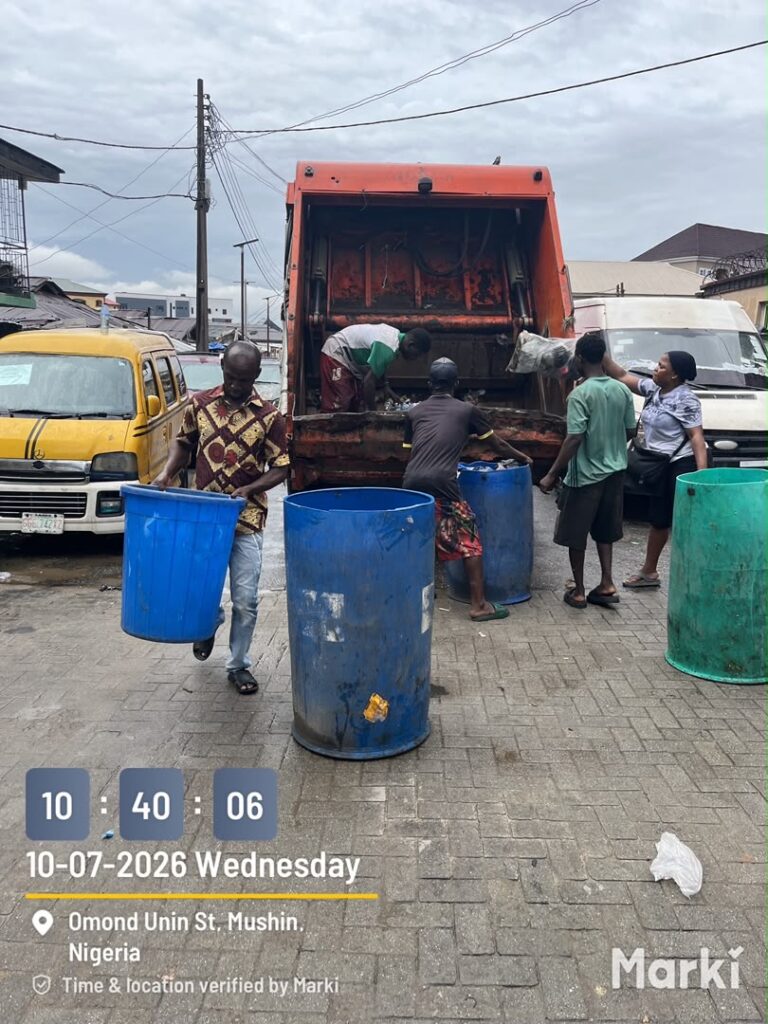
The photographs accompanying this account document collection and community engagement on specific dates. Continued monitoring must establish whether the streets remain free of accumulated waste and whether regular collection follows.
I thank the crews, monitoring officers, fleet staff and advocacy officers carrying out the interventions, and the residents cooperating with them. The first three days have begun to restore service in the priority areas. The work ahead is to make that service dependable after the intervention trucks have moved on.